


















































For years, the biggest barrier standing between a normal person and a Web3 app wasn't the blockchain, it was the wallet. Seed phrases to protect, gas fees to understand, browser extensions to install before you could do anything at all.
That barrier quietly came down in 2025. Account abstraction moved from a theoretical fix to something close to the default experience across major ecosystems, letting apps offer smart accounts that behave like a familiar login rather than a piece of cryptographic infrastructure users had to manage themselves. Gas sponsorship, apps covering network fees on a user's behalf, removed the awkward moment where a new user needs to already own crypto just to use a crypto app. Social logins and MPC wallets took the seed phrase out of the flow entirely.
On the backend, sub-second finality on high-performance chains and modular rollups on Ethereum narrowed the lag that used to make onchain apps feel noticeably slower than anything running off a normal server.
Electric Capital's latest Developer Report backs up that this wasn't cosmetic. Full-time crypto developers, people committing code at least 10 days a month, grew 5% year-on-year even as total developer counts slipped. Fewer people building for a quick cycle, more people building for the long run.
Gaming is a useful test case for where this goes next. A Blockchain Gaming Alliance survey found Web3 game studios now tie success to gameplay quality, sustainable monetization and spending-friendly infrastructure, not to waiting for a big traditional publisher to legitimize the space.
The open question for 2026: none of this UX work matters if people only show up for the rewards. Regulatory clarity across the US, Europe and Asia gave builders a framework to work within, but frameworks don't retain users. Real usage does. This is the year DApps stop being graded against each other and start being graded against Web2, where the login is already one tap and the wallet question never comes up.
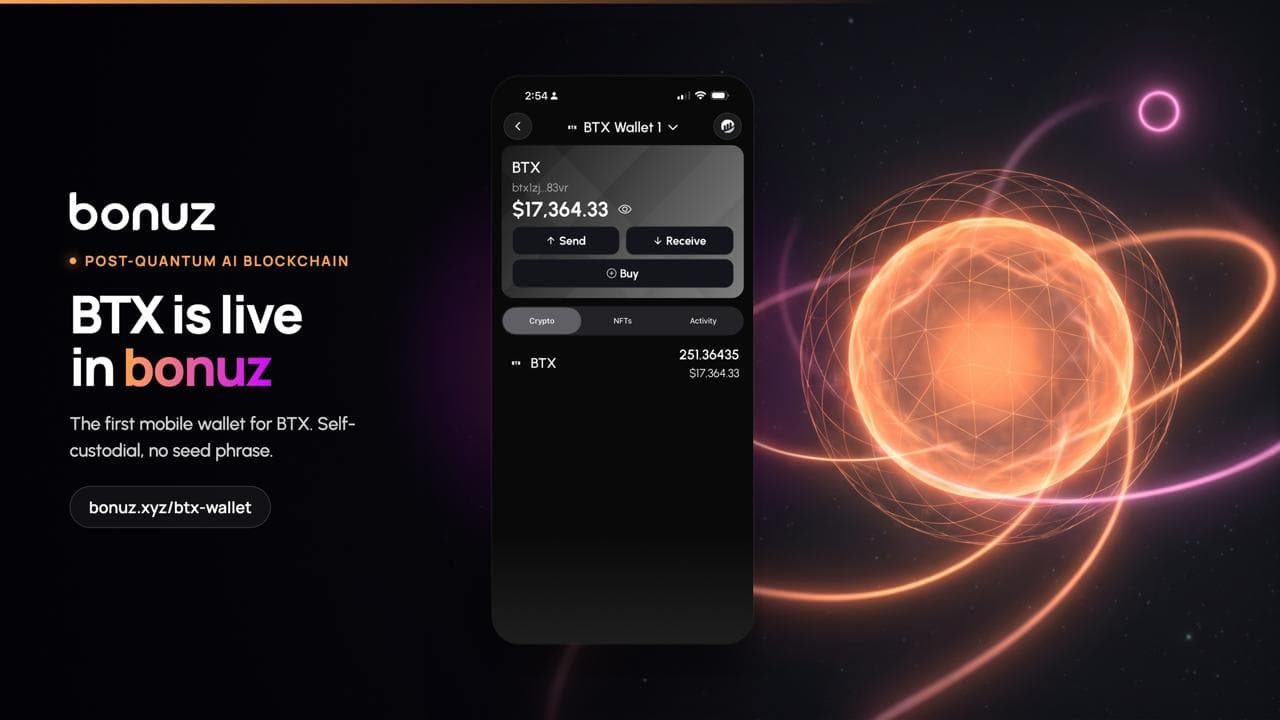
That's the exact problem bonuz was built to solve: gas-sponsored, self-custodial wallets and onchain identity that don't ask a new user to think about any of this before they can just use the app.