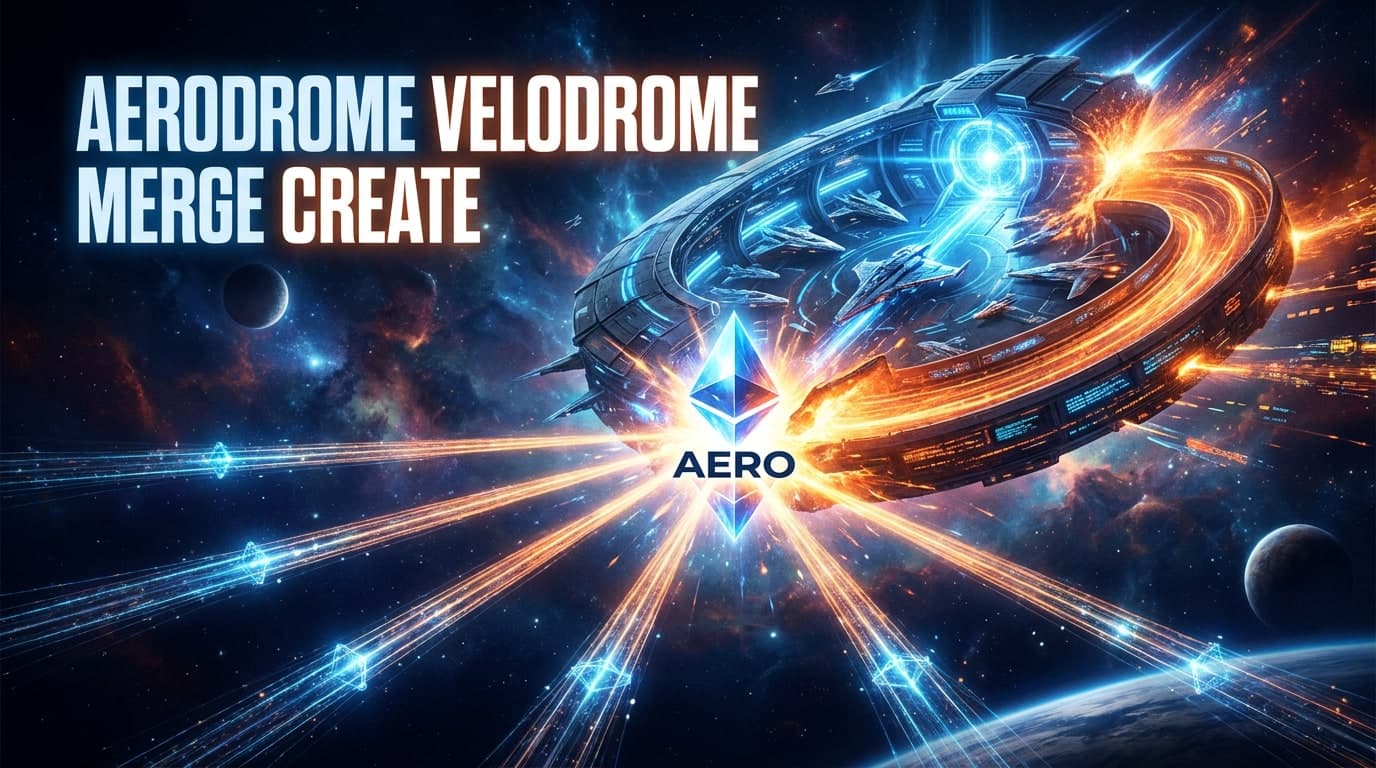
Aerodrome and Velodrome, two separate protocols, have merged into a single token called Aero. The combined project now runs across seven blockchain networks, a sign that decentralized finance platforms are consolidating instead of competing chain by chain.
What actually happened
Aerodrome and Velodrome have merged into a single protocol named Aero, according to The Block, reported on 21 October 2026. The merged token now operates across seven blockchain networks: Ethereum mainnet, Base, Robinhood Chain, Ink, OP Mainnet, Arc, and Arbitrum. The report did not specify a token swap ratio, a migration timeline, or statements from either project's team. No market capitalization, trading volume, or liquidity figures were included. The scope, covering seven distinct networks, suggests a coordinated technical integration across chains with different architectures, from Ethereum's long established mainnet to newer entrants such as Arc and Robinhood Chain.
How we got here
Decentralized exchanges have expanded beyond single blockchains for several years, following liquidity to wherever traders are active. Robinhood Chain and Arc are newer networks, reflecting how traditional finance brands and fresh infrastructure projects keep entering the blockchain space. Merging two previously separate exchanges into one token under the Aero name points to a broader pattern of consolidation rather than competition for overlapping liquidity. This report does not explain which project initiated the merger or whether a governance vote was involved in the decision.
Why this matters for you
For holders of either token, a merger likely means some form of token conversion, though no ratio or process was disclosed. Users providing liquidity on Aerodrome or Velodrome should wait for official migration instructions before moving funds. For builders, support across seven networks could simplify deploying liquidity pools that work across multiple chains instead of maintaining separate versions on each one. That could reduce fragmentation for developers building multichain products. Without confirmed timelines or technical documentation, users and builders should treat early details cautiously.
The bigger question
Will combining two established decentralized exchanges into one token across seven blockchain networks set a precedent for other DeFi protocols competing on multiple chains at once? Or will liquidity across blockchains remain fragmented, with each network hosting its own separate version of similar platforms? The answer could shape how traders and liquidity providers choose where to deploy capital in the next cycle of decentralized finance.
What to watch
No official migration date, token swap ratio, or governance vote schedule has been published. Users should watch official channels from the Aerodrome and Velodrome teams for next steps. Further coverage from The Block or other outlets may clarify the technical integration process across the seven supported networks in the coming weeks.