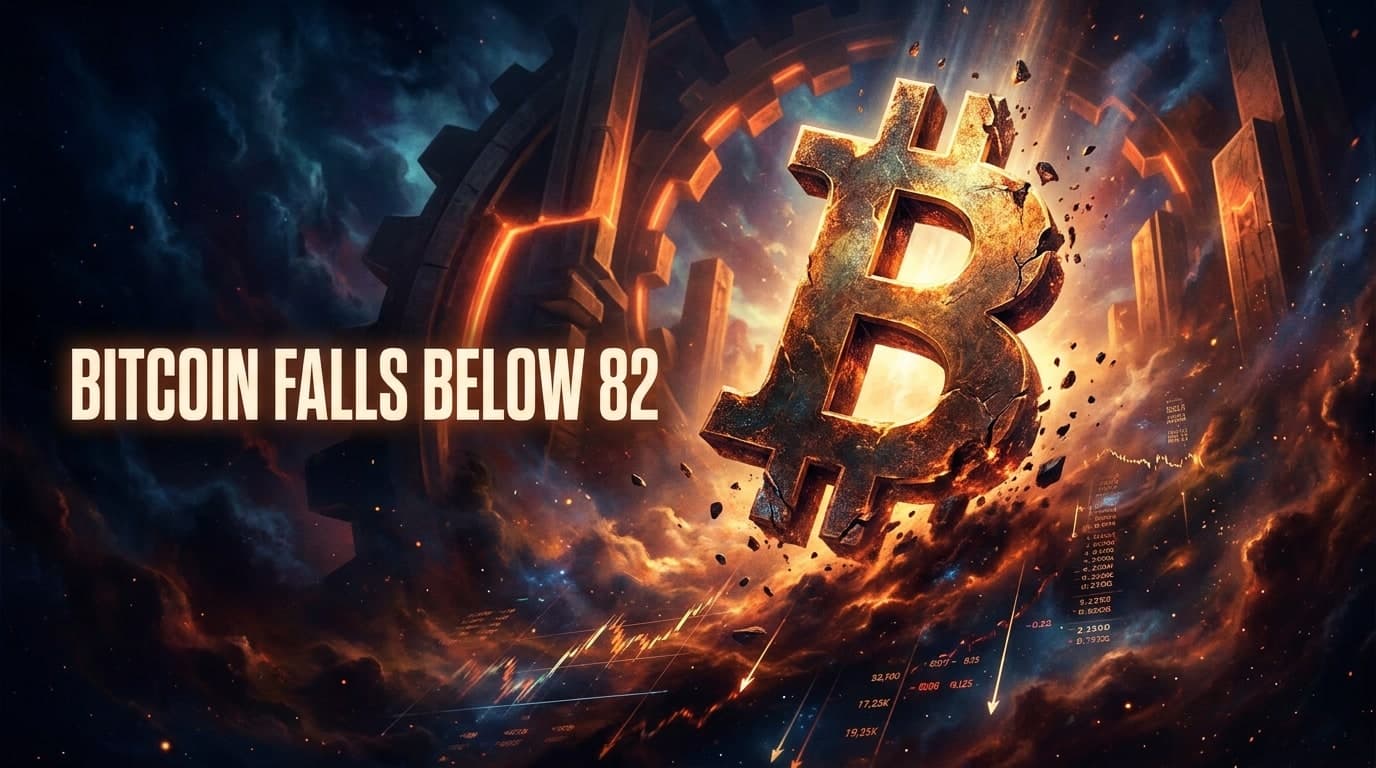
Bitcoin fell below $82,000 (USD) on 14 October 2026 after September's core CPI report beat forecasts. The hotter inflation print revived fears of an October Federal Reserve rate hike, a shift that could pressure risk assets, including crypto, in the weeks ahead.
What actually happened
Bitcoin dropped below $82,000 (USD) on 14 October 2026, according to The Block. The decline followed September's core Consumer Price Index data, which beat analyst forecasts. The Block reported that market participants are now weighing both revised price targets and the odds of an October interest rate hike from the Federal Reserve. Core CPI excludes volatile food and energy prices and is closely watched by the Federal Reserve when setting interest rate policy. A hotter than expected reading often signals persistent inflation, which can push central banks toward tighter monetary policy. The report did not specify the exact CPI percentage, the size of bitcoin's price drop in percentage terms, or named analyst quotes.
How we got here
Bitcoin has traded in a volatile range through 2026 as investors tracked signals from the Federal Reserve on interest rates. Crypto markets have historically moved in tandem with expectations around Fed policy, since higher rates tend to reduce appetite for riskier assets. Core CPI reports have become key data points for traders trying to anticipate rate decisions. The source report did not detail bitcoin's prior trading range or the specific CPI figures, so the full scale of this move relative to recent months remains unclear from the available material.
Why this matters for you
For bitcoin holders, a renewed rate hike risk could mean more short-term price volatility and pressure on valuations. Traders watching crypto markets may see tighter liquidity conditions if the Federal Reserve leans hawkish. Builders in Web3 and hardware sectors, including AR and smart glasses makers, often depend on risk-on capital flows for funding and user spending. A cooling in crypto prices can slow adoption budgets and delay hardware purchases tied to crypto-funded ecosystems. Users holding digital assets through apps or wallets may want to monitor official Fed statements directly, since the source material does not confirm whether a rate hike has been decided.
The bigger question
Will persistent inflation data force central banks to choose between taming prices and protecting risk assets like bitcoin? If core inflation keeps beating forecasts, policymakers may face a harder trade-off between interest rate hikes and financial market stability. That tension could shape how investors value digital assets for months to come, regardless of short-term price swings. The answer could influence not just crypto prices, but also capital available for emerging hardware categories like AR glasses.
What to watch
Markets will watch upcoming Federal Reserve meetings for signals on whether an October rate hike materializes. Traders are also likely to track the next CPI release for confirmation of the inflation trend. No official Fed meeting date or next CPI release date was specified in available reporting. Bonuz will continue following how rate decisions affect crypto markets and the broader hardware ecosystem, including AR and smart glasses funding.