

A modder ported Nvidia's unreleased DLSS 5 technology onto five-year-old Ampere graphics cards using a patched file. Frame rates collapse to single digits in most games, reaching only 30 to 40 in the best cases. That gap shows how far current hardware sits from a screen smooth enough to wear on your face.
What actually happened
According to Tom's Hardware, the mod uses a patched DLL file to run DLSS 5, Nvidia's next generation upscaling and frame generation system, on older Ampere-based RTX 30-series cards. Nvidia has not officially released DLSS 5 for any hardware. In most games, frame rates fall to single digits, far below anything playable. In edge cases, with settings turned to their minimum, high-end Ampere cards reach 30 to 40 frames per second. That ceiling is barely acceptable for a desktop monitor, and it is well below what a display worn on someone's head would need. Low, uneven frame rates on a head-mounted screen can cause disorientation or nausea within minutes, a problem gaming displays do not share.
How we got here
Eyeglasses have corrected human vision since the 13th century, when Italian craftsmen ground the first lenses to help people read. Adding information to that lens, rather than just clarity, is a newer ambition. Modern smart glasses concepts promise directions, translations, or a name above a stranger's face, overlaid on the world in real time. That overlay needs a computer rendering images fast enough that the eye never notices a lag. DLSS was built to help desktop GPUs hit those speeds using artificial intelligence to fill in frames instead of calculating every pixel. The Ampere mod shows that even this shortcut struggles once you ask it to do more than a game menu allows.
Why this matters for you
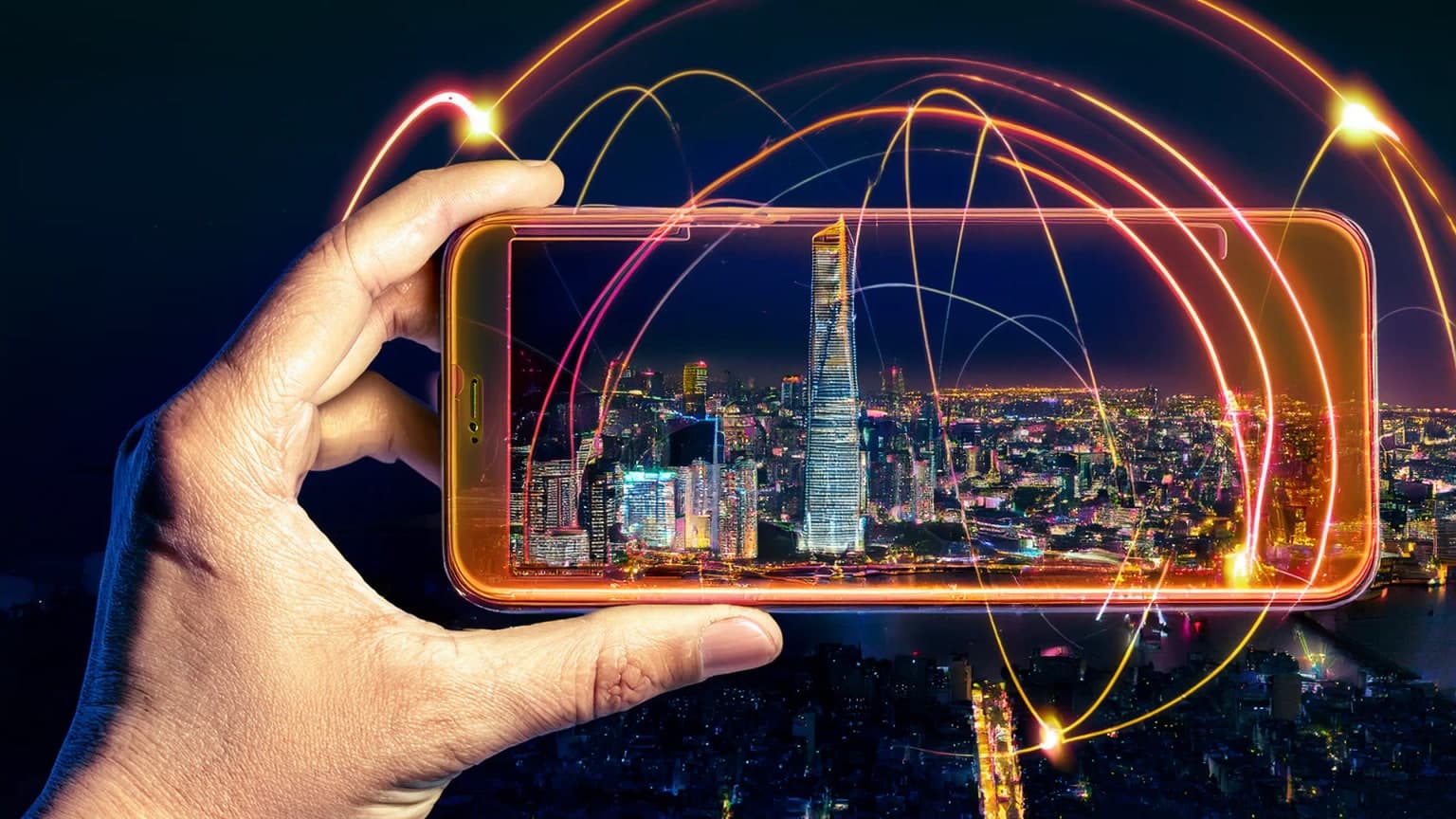
For now, expect the visible layer over daily life to keep arriving through the phone already in your pocket, not through glasses on your face. Phones can send heavy rendering to a server nearby and only display the result, something a battery-powered headset cannot yet do for hours at a time. That is why finding a place worth walking into, or being recognised somewhere you keep returning to, will likely work through a screen you hold before it works through one you wear. bonuz is building that layer for the phone stage: a place recognising that you turned up, without needing hardware that does not exist yet.
The bigger question
Correcting eyesight with a lens took centuries to feel ordinary. Adding a live layer of information on top of what people see is a different kind of change, one that depends on batteries, chips, and heat as much as on ambition. So the open question is simple: will that layer of information about places and people reach ordinary life through something worn on the face, or will it keep arriving through the phone that already fits in a pocket?
What to watch
Nvidia has not announced an official release date for DLSS 5, and the current version running on Ampere cards exists only as an unofficial mod. Watch for Nvidia's own statement on which GPUs DLSS 5 will officially support, expected alongside future hardware announcements. Meanwhile, modders are likely to keep pushing DLSS 5 onto older cards, testing exactly how far current hardware can stretch before a wearable version of this problem becomes real.