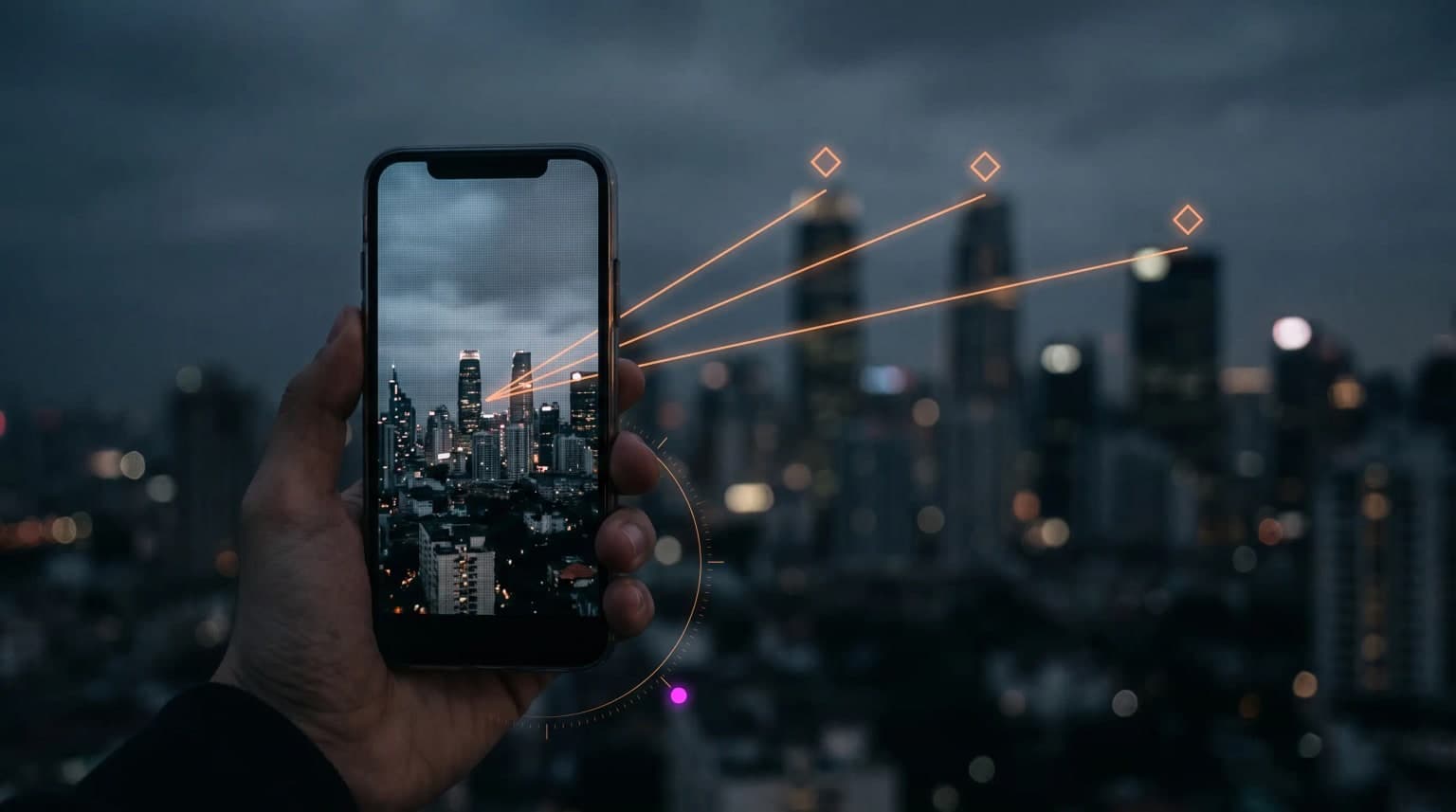
An Austrian court overturned a school's decision to expel a pupil for wearing Ray-Ban Meta glasses in class. The ruling matters because camera glasses are turning into everyday objects, and nobody has agreed yet on the manners for wearing a lens that never has to be lifted to record.
What actually happened
Austria's Federal Administrative Court ruled on 3 August 2026 that a Vienna school could not expel a pupil only because he wore Ray-Ban Meta glasses to class, according to Mixed News. The case, numbered W224 2346501-1, started after a Vienna education authority ordered the student removed. Teachers and classmates had told the school they felt uneasy, worried about being filmed without asking first. The court found that unease among staff and other pupils was not, on its own, a legal reason to exclude a student. The published judgment did not name the school or give the student's age. It also did not say whether the glasses had actually been used to record anyone in class.
How we got here
Ray-Ban Meta glasses look like ordinary sunglasses but carry a camera and a microphone near the eye. Since they reached wider shelves, schools, gyms, and bars have argued over whether to ban them outright, the way many places once banned phones from changing rooms. A phone has to be lifted and pointed before it records. These glasses give no clear signal that someone nearby could be filming. Austria's ruling looks to be one of the first times a court has decided whether discomfort alone is enough to justify keeping the device out of a shared room.
Why this matters for you
The legal reasoning may travel further than Austria. If discomfort alone does not justify a ban, other schools and workplaces may hesitate before writing blanket rules against camera glasses. The bigger shift here is larger than one ruling. Glasses that see and hear are becoming ordinary street wear, not lab equipment. Think of an old European café, where the waiter remembers your order without asking. That kind of recognition used to take years of showing up. A visible layer over daily life could compress that into an instant, for better or worse, something bonuz is building toward, where turning up somewhere real is what a place can recognise. It could also mean a stranger's glasses quietly noting a face nobody agreed to share.
The bigger question
If glasses can record a room without anyone noticing, who decides what counts as a public space now? Austria's court says discomfort is not enough to ban the device. But discomfort is often the first sign a shared space has changed. The real question is not whether more courts will rule this way. It is whether classrooms, cafes, and offices should wait for a lawsuit before agreeing on their own rules for how people are seen.
What to watch
No appeal date has been announced for case W224 2346501-1. Expect similar disputes as camera glasses spread through more schools and workplaces across Europe. Hardware makers are likely to face more pressure to add visible recording signals. Watch how other European courts respond when the same argument, discomfort against evidence, reaches them next.