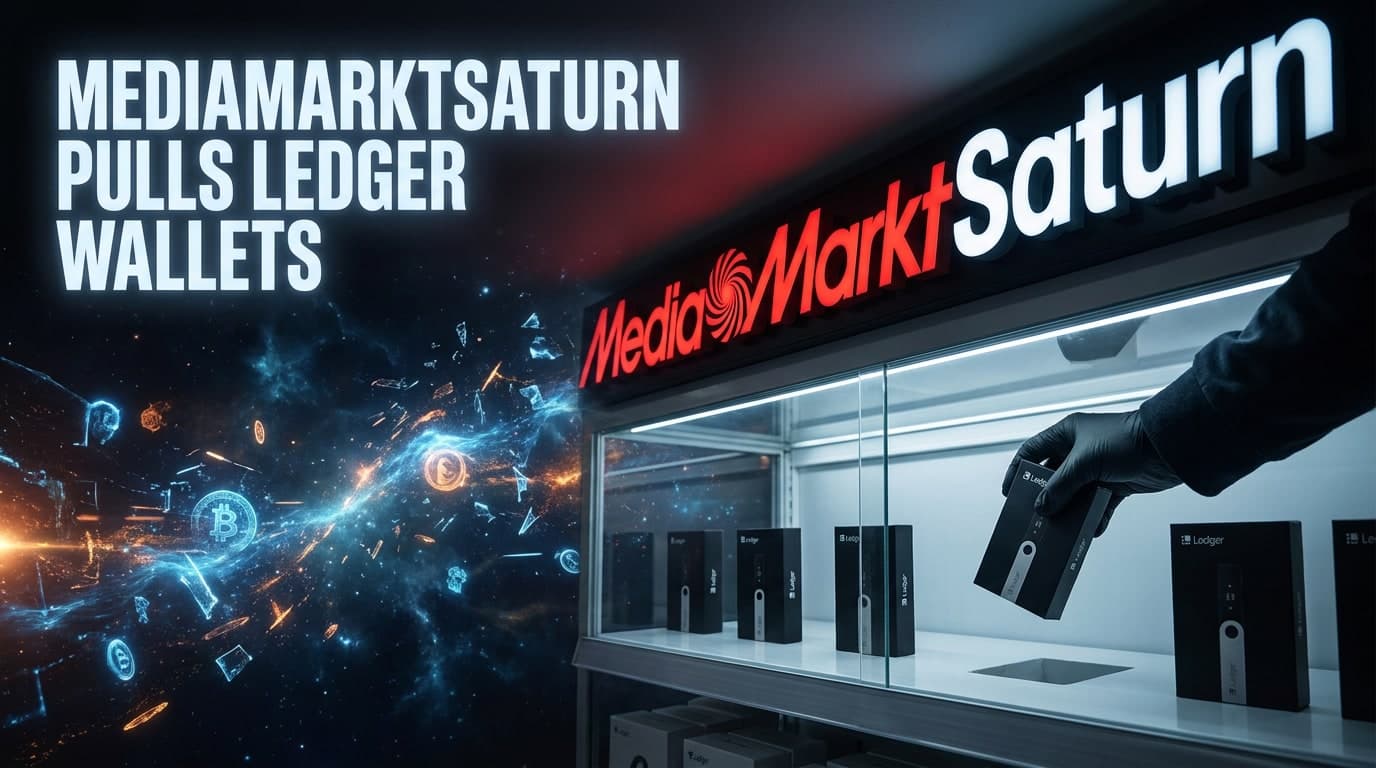
MediaMarktSaturn has pulled Ledger hardware wallets from its stores in every country it operates, after reports of product tampering. Hardware wallets are meant to be the safest way to hold crypto, so any tampering risk threatens the trust that keeps millions of users secure.
What actually happened
According to The Defiant, MediaMarktSaturn has withdrawn Ledger products from its shelves. The retailer confirmed the withdrawal applies across all countries where it operates. The move follows reports of tampering with Ledger hardware wallets, though the report does not specify how many devices were affected or when the tampering was discovered. Ledger responded by stating that no fund losses were reported in connection with the German case that triggered the pullback. The company has directed existing buyers of affected products to its support channels for further guidance. No details on the scope of the tampering, the number of units involved, or a timeline for resolution were included in the report.
How we got here
Hardware wallets like Ledger devices store private keys offline, away from internet-connected systems. This design is meant to prevent remote hacking. Physical tampering, if it happens before a device reaches a buyer, undermines that core protection. Retailers acting as the last link between manufacturer and user play a key role in catching such risks. MediaMarktSaturn operates across multiple European countries, making this withdrawal notable in scale. The source report does not detail prior tampering incidents, Ledger's history with supply chain checks, or how the issue was first detected.
Why this matters for you
For Ledger owners, the immediate step is checking devices bought through MediaMarktSaturn and contacting Ledger support if anything looks altered. For shoppers, the pullback signals that hardware wallets bought in stores are not automatically safer than those bought online. For Ledger, the case tests its response speed and transparency. For builders in the wallet space, the incident is a reminder that physical security checks matter as much as code audits. For retailers, it raises questions about incoming inspection standards before crypto hardware reaches shelves.
The bigger question
If a hardware wallet can be tampered with before it ever reaches a store shelf, what does real security mean for everyday crypto holders? Should verification responsibility sit with the manufacturer, the retailer, or the buyer? And can any physical device be called fully tamper proof once it leaves a factory and enters a public supply chain? This question will matter well beyond Ledger.
What to watch
Watch for Ledger's official statement detailing the scope of the tampering and which device batches are affected. Watch also for whether other retailers follow MediaMarktSaturn's lead and pull Ledger products from shelves. No official timeline for restocking or resolution has been announced. Readers who own affected devices should monitor Ledger's support channels for updates on verification steps and replacement options.