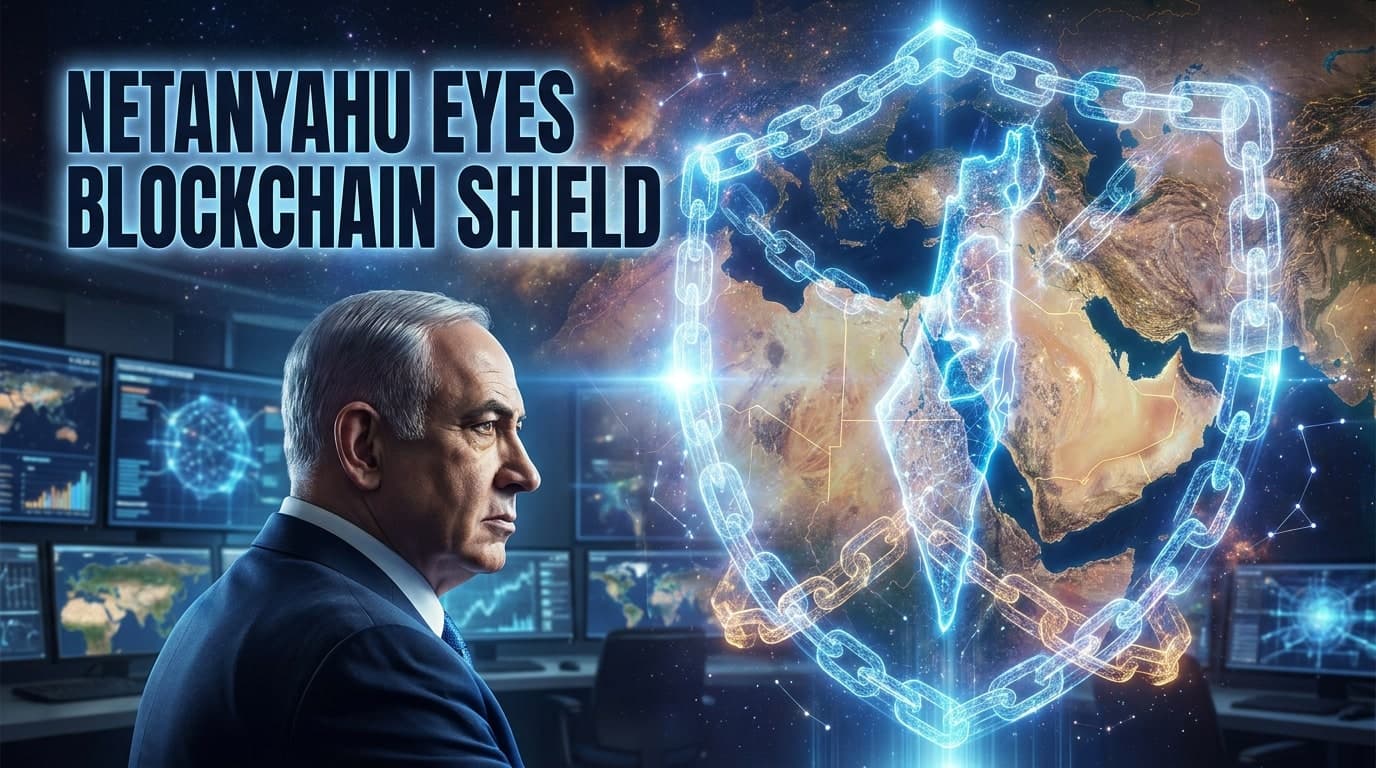
Israeli Prime Minister Benjamin Netanyahu said blockchain technology could help Israel prepare for possible sanctions on its banking system. The remark matters because it shows a sitting national leader treating blockchain as a geopolitical safeguard, not just a financial tool for traders and builders.
What actually happened
Netanyahu said blockchain could help Israel prepare for possible sanctions targeting its banking system, according to The Block. The report, published on 23 October 2026, does not name a specific blockchain network, platform, or government agency involved. It does not include a direct quote from Netanyahu, a policy document, or a timeline for any blockchain initiative. The report also does not detail the current sanctions risk facing Israel's banking system or who might impose such sanctions. No budget figure, pilot program, or regulatory body has been named publicly. The statement appears to be an early signal rather than a formal proposal. Further details, including any agency tasked with exploring blockchain infrastructure, have not yet been reported.
How we got here
Sanctions targeting national banking systems are a long standing geopolitical tool, and blockchain has often been floated as a possible alternative to traditional payment rails. Netanyahu's comment fits that broader conversation, though the report gives no indication of what prompted the remark now, or whether Israel faces an active sanctions threat. The Block's report stands as the only public account of the statement so far. No Israeli government body, central bank, or finance ministry has issued a follow-up statement confirming or expanding on the plan.
Why this matters for you
For now, nothing changes for crypto holders or builders operationally. But a national leader floating blockchain as a sanctions hedge could draw more policymakers into the conversation, especially in economies worried about dollar access. For builders, it signals a possible government client interested in blockchain infrastructure for payments or settlement, not just trading tools. For Israeli citizens, it raises early questions about how banking access could work if sanctions ever hit. For global crypto markets, nation level interest adds another data point suggesting blockchain is increasingly discussed as infrastructure, not only as an investment asset.
The bigger question
If a sanctioned, or soon to be sanctioned, economy adopts blockchain rails at a national level, does that strengthen blockchain's case as neutral infrastructure, or does it invite tighter scrutiny from the same powers that impose sanctions? The answer could shape how governments everywhere weigh blockchain adoption against geopolitical risk, and whether neutral technology can ever stay fully separate from the politics around it.
What to watch
No official timeline has been set. Netanyahu's office has not released a formal proposal, named an agency, or set a date for further announcements. Watch for statements from Israel's finance ministry or central bank, and for follow-up reporting from The Block or other outlets confirming details. Bonuz will track how this story develops as part of its ongoing coverage of blockchain's role in global finance.