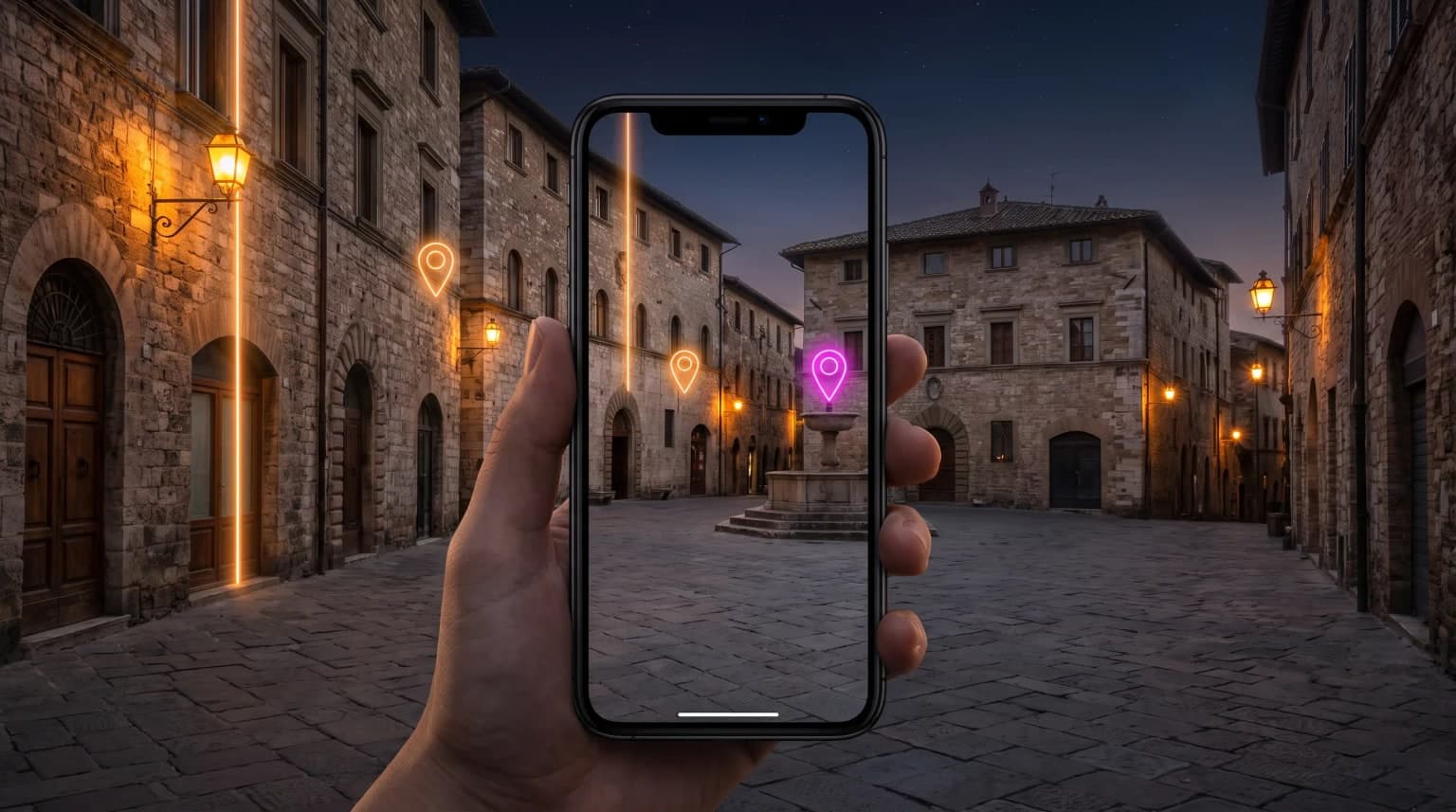













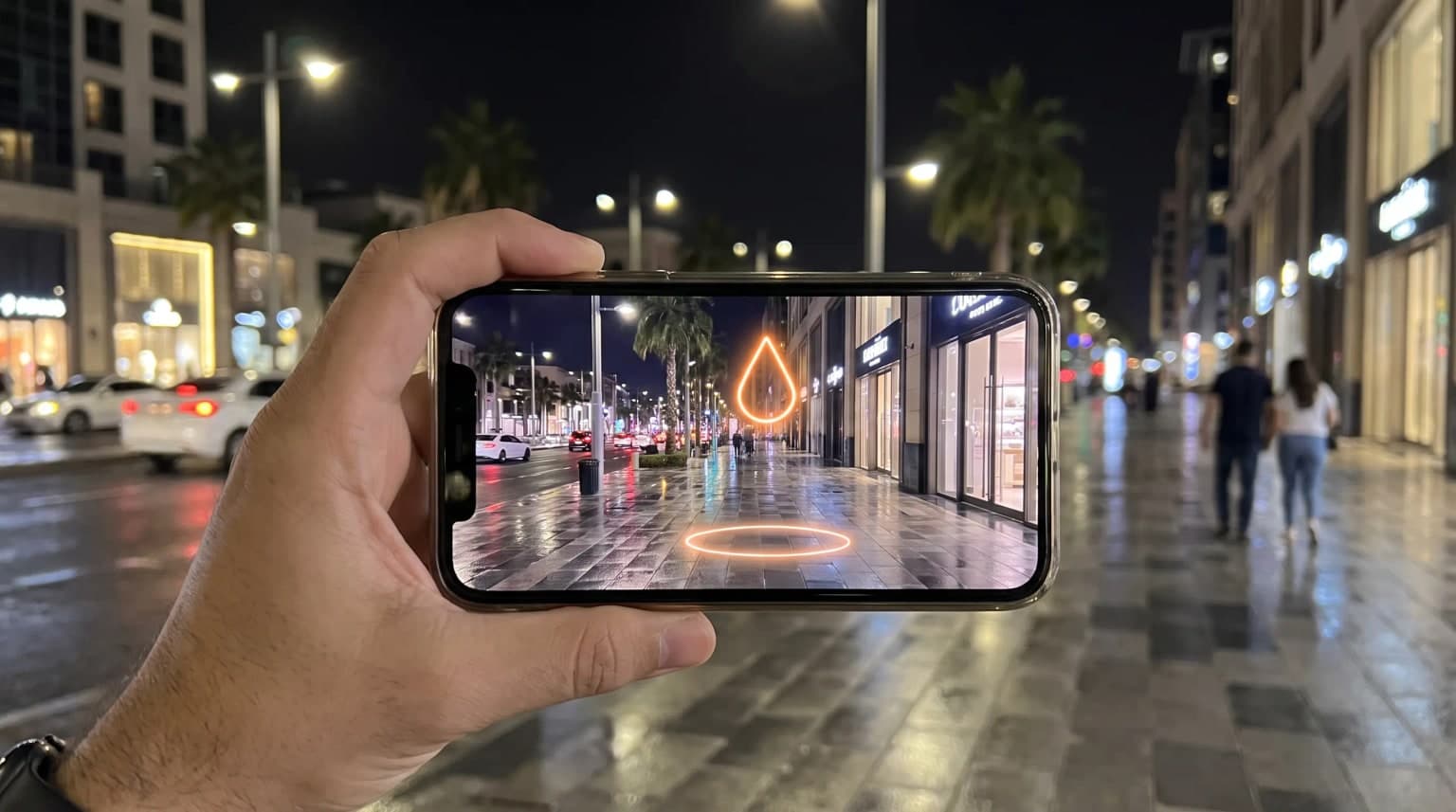
A small AR glasses maker just shipped a lens design built from silicon carbide, a material harder than glass and better at bending light. If lenses like this become normal, augmented reality glasses could finally look and feel like ordinary eyewear, not a headset strapped to your face.
What actually happened
On 28 August 2026, the Nimbo X1 smart glasses launched a Kickstarter campaign built around a silicon carbide, or SiC, waveguide made by SEEV, according to Silicon Carbide Waveguides Pros and Cons. Meta first showed SiC waveguides in public at its Connect event in September 2024, inside the Orion prototype, supporting a 70-degree field of view. SiC has a refractive index near 2.6, compared with 1.7 to 2.0 for the glass used in most waveguides today, letting designers make a wider view in a thinner lens. On 29 October 2025, SEEV co-founder Dr Shi Rui gave a keynote on mass production of SiC diffractive waveguide chips at the SEMI Core-Display Conference, per the same report.
How we got here
Glass diffractive waveguides are already used in AR glasses sold today, but they scatter color unevenly, producing what engineers call a rainbow artifact, stray bands of colour that flare when you tilt your head. It is the same effect a cathedral's stained glass throws across a stone floor at midday, sunlight splitting unevenly as it passes through. Chinese firms including SEEV, Moldnano, LLVision, and Goeroptics were reportedly working on SiC waveguides before Meta's demo, and Magic Leap and Coherent have said they are developing SiC substrates and waveguides in the US, per Silicon Carbide Waveguides Pros and Cons.
Why this matters for you
None of this makes glasses like these cheap yet. SiC wafers are small, hard to polish, and costly to manufacture, so a SiC lens will stay pricier than glass for years, per the same source. But the direction matters for anyone who wants glasses, not goggles, that show a name, a menu, or directions without a bulky frame. It matters more for anyone building the software that would run on that glass: a visible layer that recognises you at a place you keep returning to is only useful once the glasses are comfortable enough to wear all day, which is why bonuz is building the Human Layer, where turning up somewhere real is something the place can recognise.
The bigger question
If lenses like this succeed, glasses could disappear into ordinary frames within a decade. That raises a bigger question than cost or field of view: once a screen sits permanently over your eyes, do you want the world to greet you by name every time you walk into a shop, or would you rather stay a stranger sometimes? Comfort and recognition might turn out to be the same trade-off, just worn on your face instead of carried in your pocket.
What to watch
Karl Guttag, the analyst behind this report, will host a masterclass and a panel on waveguide technology at MicroLED and AR/VR Connect in Eindhoven, 15 to 17 September 2026. The Nimbo X1 Kickstarter campaign remains open for backers following its 28 August 2026 launch. Whether SiC waveguides reach affordable, comfortable glasses will depend on manufacturing progress reported at events like these over the next two years.