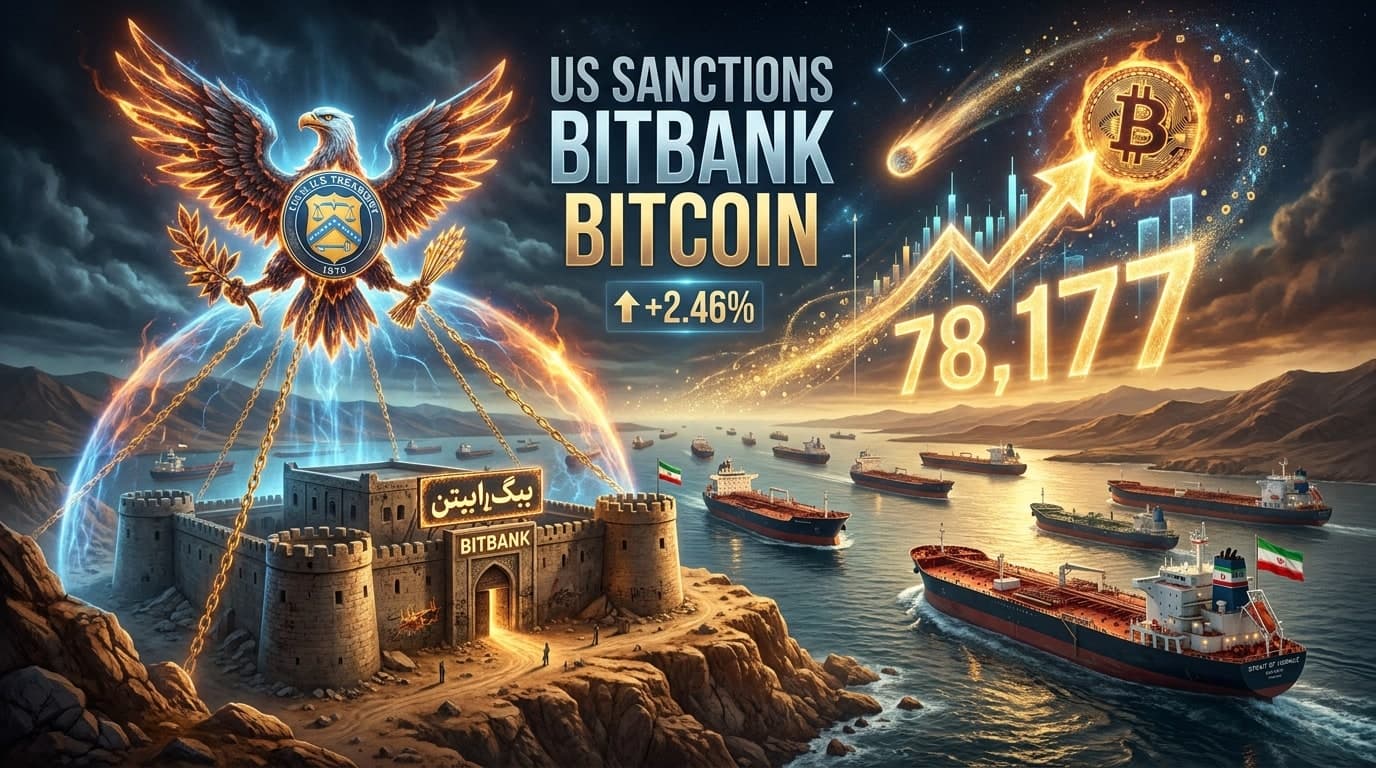













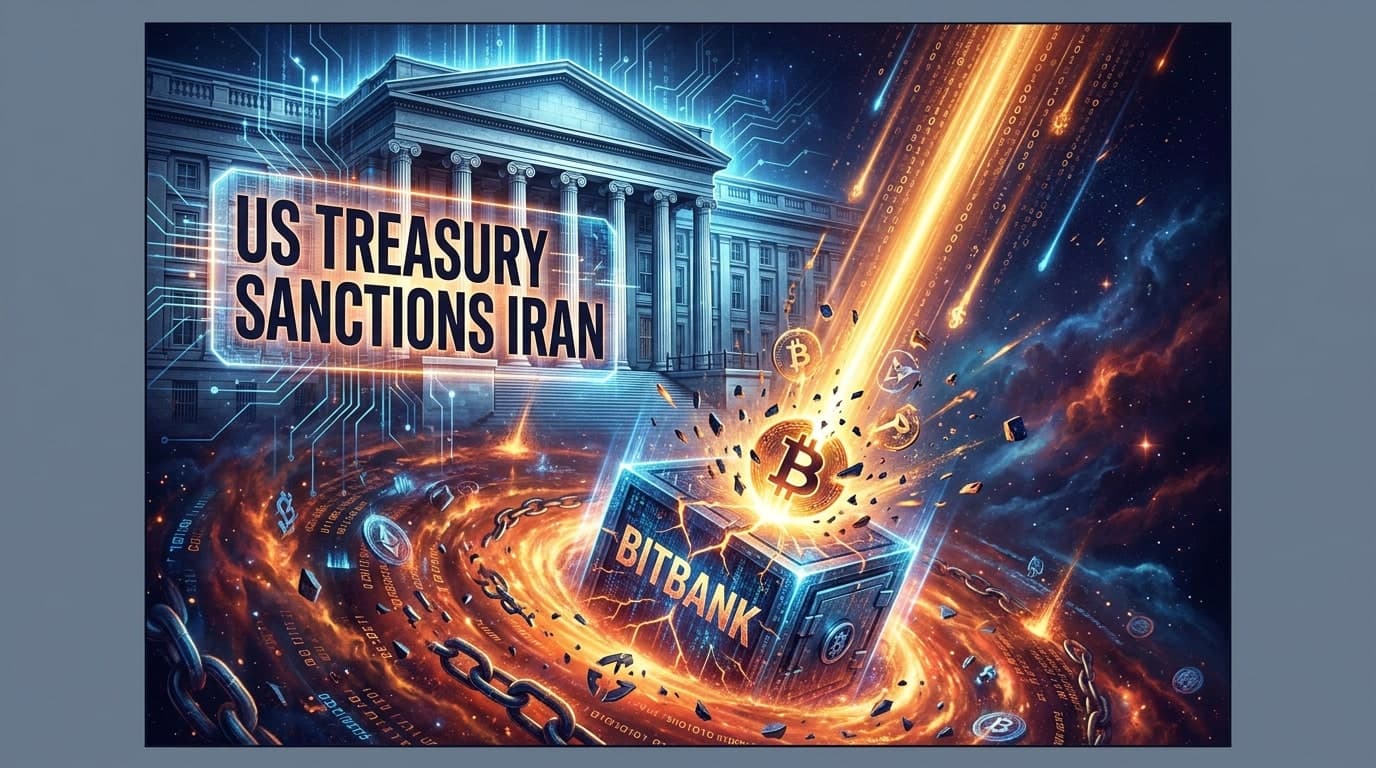
The US Treasury sanctioned Iranian crypto exchange BitBank on 17 September 2026. Officials allege the platform moved bitcoin tied to Iran's Islamic Revolutionary Guard Corps. Anyone tracking crypto regulation should watch this: it signals Washington now treats exchanges as direct sanctions targets, not just the wallets they serve.
What actually happened
Treasury sanctioned BitBank on 17 September 2026, according to The Block. The exchange allegedly processed bitcoin transfers linked to Iran's Islamic Revolutionary Guard Corps. Treasury said the previously sanctioned Hormuz Safe platform used BitBank to transfer payments collected since June, the report noted. The source material does not specify transaction amounts, exact dates, or named officials. It also omits details on BitBank's size, user base, or home jurisdiction. What is confirmed: a sanctioned Iranian platform relied on this exchange to move funds tied to a designated military organization. Treasury's announcement did not include a specific bitcoin transfer volume in the material reviewed for this report.
How we got here
The source material names Hormuz Safe as a platform already under US sanctions, though it does not say when that action occurred. This new sanction targets BitBank, the exchange allegedly used to move Hormuz Safe's funds since June. That marks a shift from sanctioning an end platform to sanctioning the exchange infrastructure behind it. The report frames this as a sequence: Hormuz Safe was designated first, and BitBank now faces sanctions for allegedly servicing it. The report does not detail BitBank's founding, headquarters, or prior regulatory history, so its full role before this action remains unclear.
Why this matters for you
For crypto users, this raises compliance risk. Anyone interacting with BitBank, even unknowingly, could face exposure to sanctions violations under US law. For builders and exchanges operating near sanctioned jurisdictions, it signals that Treasury will pursue platforms one step removed from designated entities, not just the entities themselves. For holders of bitcoin moved through affected wallets, funds could face freezes or blacklisting by compliant exchanges. The action also pressures other crypto platforms serving Iranian users to tighten screening or risk becoming the next enforcement target. Expect exchanges globally to review counterparty exposure to Iran-linked addresses following this announcement.
The bigger question
Can sanctions meaningfully stop bitcoin from reaching designated groups, or does the traceable nature of public blockchains simply push transfers toward less visible intermediaries? Enforcement against exchanges assumes centralized choke points still matter in a system built to route around them. If BitBank's designation slows Hormuz Safe's activity, it may confirm that assumption. If flows simply move elsewhere, it raises a harder question about what crypto sanctions can actually achieve.
What to watch
Watch for Treasury follow-up statements naming additional exchanges linked to Hormuz Safe or similar Iranian platforms. Watch for BitBank's response, if any, and whether other exchanges delist Iran-linked addresses in reaction. The source material gives no future compliance deadline or court date. Bonuz will track further Treasury actions against crypto exchanges tied to sanctioned jurisdictions as they are confirmed by primary sources.