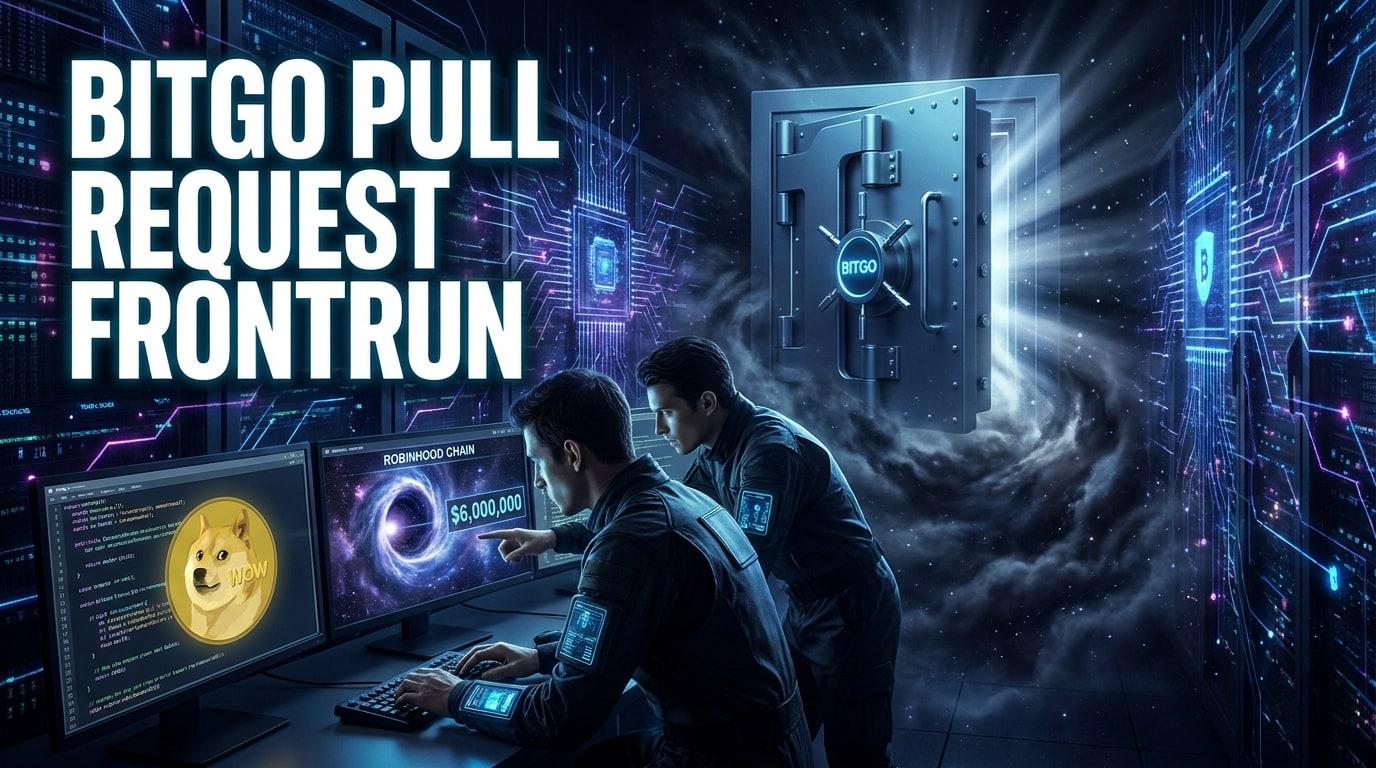
Traders reportedly earned $6 million (USD) by spotting a public BitGo code change that quietly added support for a memecoin on Robinhood Chain, ten days before Robinhood confirmed the listing. The case shows how public blockchain infrastructure code can leak market-moving information before official announcements.
What actually happened
On 27 July, BitGo published a public pull request adding support for Cash Cat on Robinhood Chain, according to The Block. Robinhood did not announce the listing until ten days later. Cash Cat is a memecoin, a token category known for sharp price swings around listing news. In that ten-day window, traders who noticed the code change allegedly bought Cash Cat tokens ahead of the public announcement. The Block reports these traders claim a combined profit of $6 million (USD). The article does not name the traders, disclose how the profit figure was calculated, or include comment from BitGo or Robinhood. No regulatory response has been reported as of this writing.
How we got here
Crypto infrastructure providers like BitGo often build in public, open-source code repositories. This openness lets anyone audit security practices, but it also means code changes tied to future business deals can surface before those deals are announced. Memecoin listings on major platforms frequently trigger sharp price moves, giving early readers of public code a potential edge. Traders scanning GitHub activity for early signals is a known practice in crypto markets, though this case highlights how a single infrastructure repository can carry listing-relevant information. BitGo's pull request, visible to anyone watching its repository, shows how transparency designed for security can also create information asymmetry.
Why this matters for you
For memecoin holders, this case is a reminder that listing news can leak through unexpected channels, not just official social media posts. For builders at platforms like BitGo and Robinhood, it raises questions about whether listing-related code should stay private until launch day. For traders, it confirms that public blockchain infrastructure repositories are now a watched source of early signals, alongside social media and on-chain data. For everyday users, the gap between code visibility and public announcement means early movers can capture gains before retail investors even know a listing is coming. That asymmetry could shape how future listings get rolled out.
The bigger question
Should infrastructure providers keep listing-related code changes private until an official announcement, or does public, auditable code make this kind of information leak unavoidable? If platforms lock down code to prevent frontrunning, they may lose some of the transparency that makes blockchain infrastructure trustworthy in the first place. Finding a balance between open-source security and fair, simultaneous information for all traders may become a bigger conversation as more memecoins launch through major financial platforms.
What to watch
No official response from BitGo or Robinhood has been reported yet. Whether regulators or the platforms address the ten-day gap between code changes and announcements remains unclear. The Block's 15 November 2026 report may prompt further disclosures about the trader profits or Robinhood Chain's listing process. Bonuz will track how infrastructure providers handle code transparency as more real-world assets and tokens move onto consumer-facing chains.