












DistroKid has quietly removed songs from several independent artists, with no warning and no explanation. The platform confirmed the takedowns are tied to a lawsuit from Universal Music Group. For anyone who posts creative work on a platform they do not own, this is a reminder that the work can vanish overnight.
What actually happened
DistroKid confirmed to The Verge that a small number of takedowns are a direct response to claims made by Universal Music Group. UMG filed a lawsuit in September 2026, accusing DistroKid of running an 'AI-slop pipeline' and committing 'blatant copyright infringement.' Musician McGwire said six of his songs were pulled, including a licensed cover of Stevie Wonder's 'Isn't She Lovely,' and a track built on a beat he had purchased. Rapper King Chase said an entire album, live for 3-4 years with no copyright strikes, was removed without communication. Amanda Ferri, DistroKid's VP of Artist Services, said the company 'strongly dispute the allegations' and is 'working to minimize that disruption while protecting artists' ability to release their music.'
How we got here
DistroKid built its business on letting independent artists upload music without a label, charging a flat fee instead of taking a royalty cut. That model made it one of the largest distributors in the industry. UMG's lawsuit argues the same model let AI generated tracks flood in alongside real music, which the label calls an 'AI-slop pipeline.' Music producer Jesse Cannon told The Verge that 'DistroKid gave up on customer service about two years ago,' and that former employees saw support as a cost to avoid, not a priority, given the company's market share. Scale plus minimal support is now colliding with a legal fight that is catching real artists in its net.
Why this matters for you
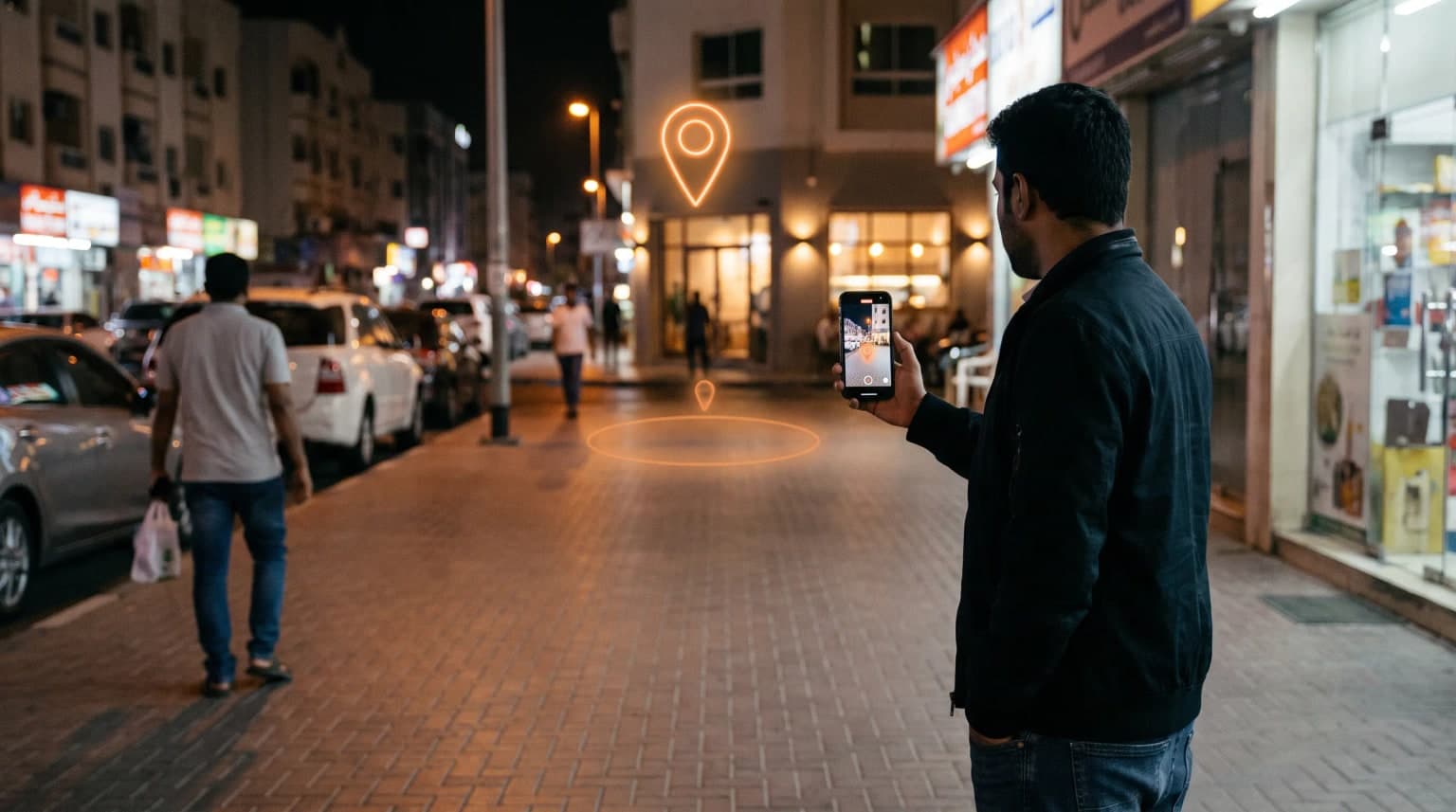
For musicians, the takeaway is blunt. A platform can remove years of work without warning, and recourse depends on reaching a live human being. For anyone who builds something on a service they do not control, from a song catalogue to the history they have with a shop they keep visiting, the same risk applies. Proof that the work or the visit happened only helps if the platform recognises it before it acts. bonuz is built on that idea, a layer where turning up somewhere real is something the place can recognise, not something it has to take on faith.
The bigger question
If a platform can remove a creative work without explanation, who decides what counts as proof that it was legitimate in the first place? Artists kept licenses, receipts, and years of clean history, yet none of it stopped a quiet takedown. As more of daily life gets held inside platforms nobody fully controls, what should a person be able to carry with them as undeniable proof of what they made or where they belong, no matter what any single platform decides?
What to watch
UMG's lawsuit against DistroKid, filed in September 2026, is ongoing, with no trial date confirmed in current reporting. DistroKid has not said how many songs have been removed in total or published criteria for future takedowns. Artists are watching for a formal appeals process. Until then, expect more musicians to discover missing catalogues the way McGwire and King Chase did, after the fact.