Ethereum researchers at Ethlabs proposed accelerating the network's quantum-resistant security roadmap to 2027, and developers dropped a competing plan called Quick Slots to make room for it. The move shows Ethereum choosing long-term security over near-term speed, a trade-off every holder and builder will eventually feel.
What actually happened
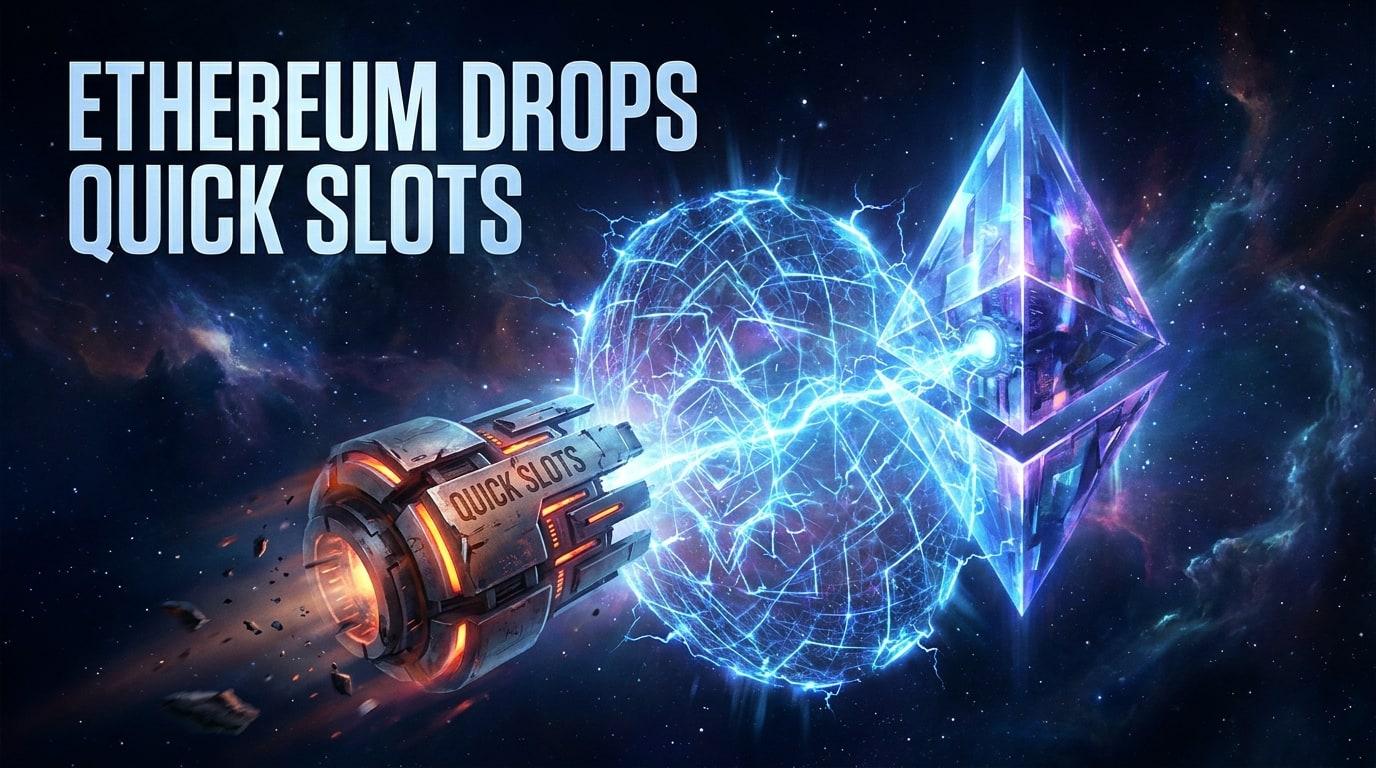
Ethlabs, an Ethereum research group, proposed the "pqai27" roadmap on the Ethereum Magicians forum, according to WuBlockchain. The plan moves Ethereum's quantum-resistance target from 2028 to 2027. To fund it, Ethlabs withdrew support for Quick Slots, a proposal to shorten block intervals under the planned Hegotá upgrade, and said shorter blocks are now targeted for 2028 instead. The Defiant reported that developers dropped Quick Slots but left FOCIL and a new consensus direction unresolved. Christine D. Kim described the process as "on pause." ETH traded at $1,839 as of 14 November 2026, down -4.12% over 24 hours, swinging between a 24-hour high of $1,954 and a low of $1,846, on $12.22 billion in volume.
How we got here
Ethereum has used scheduled upgrades to balance security, decentralization and scalability since it moved to Proof of Stake, per The Block. The Hegotá upgrade was expected to include Quick Slots, shortening block times to improve throughput. Ethlabs argues that quantum computing and AI-driven attacks could threaten the network's cryptography sooner than previously assumed, pushing the team to prioritize defense over speed. The pause comes as CoinDesk reported that bitcoin and ether are trading in price ranges where market maker and dealer activity may add to volatility, layering market uncertainty on top of unresolved protocol questions.
Why this matters for you
For builders, shorter block times stay off the table until at least 2028, so applications optimized for faster blocks will wait longer. For holders, Ethereum's roadmap uncertainty adds to price risk already flagged by CoinDesk, where dealer positioning near current levels can sharpen swings, as seen in today's -4.12% move. For users, a quantum-resistant foundation could eventually require wallet or key updates, though no technical specification exists yet. Developers tracking consensus design should watch the Ethereum Magicians forum, where FOCIL and the broader consensus direction remain open after Quick Slots was dropped.
The bigger question
If quantum computing remains years away, should Ethereum delay scaling upgrades users want now to defend against a threat that has not yet materialized? The pqai27 proposal reallocates engineering resources away from throughput and toward cryptographic defense, a bet on timing that nobody can verify in advance. The answer shapes how much performance holders and builders sacrifice today for a security guarantee that cannot yet be tested.
What to watch
Ethlabs aims to deliver foundational quantum resistance by 2027, with shorter block intervals now targeted for 2028. The Ethereum Magicians forum remains the venue for ongoing debate over FOCIL and consensus design, with no fixed resolution date yet. Watch for a formalized Hegotá upgrade specification once the post-quantum and consensus questions settle. Bonuz will track how this timeline affects app-layer builders planning around block speed.
This article is information, not financial advice. Prices are a snapshot and change constantly. Nothing here is a recommendation to buy or sell any asset. Do your own research.