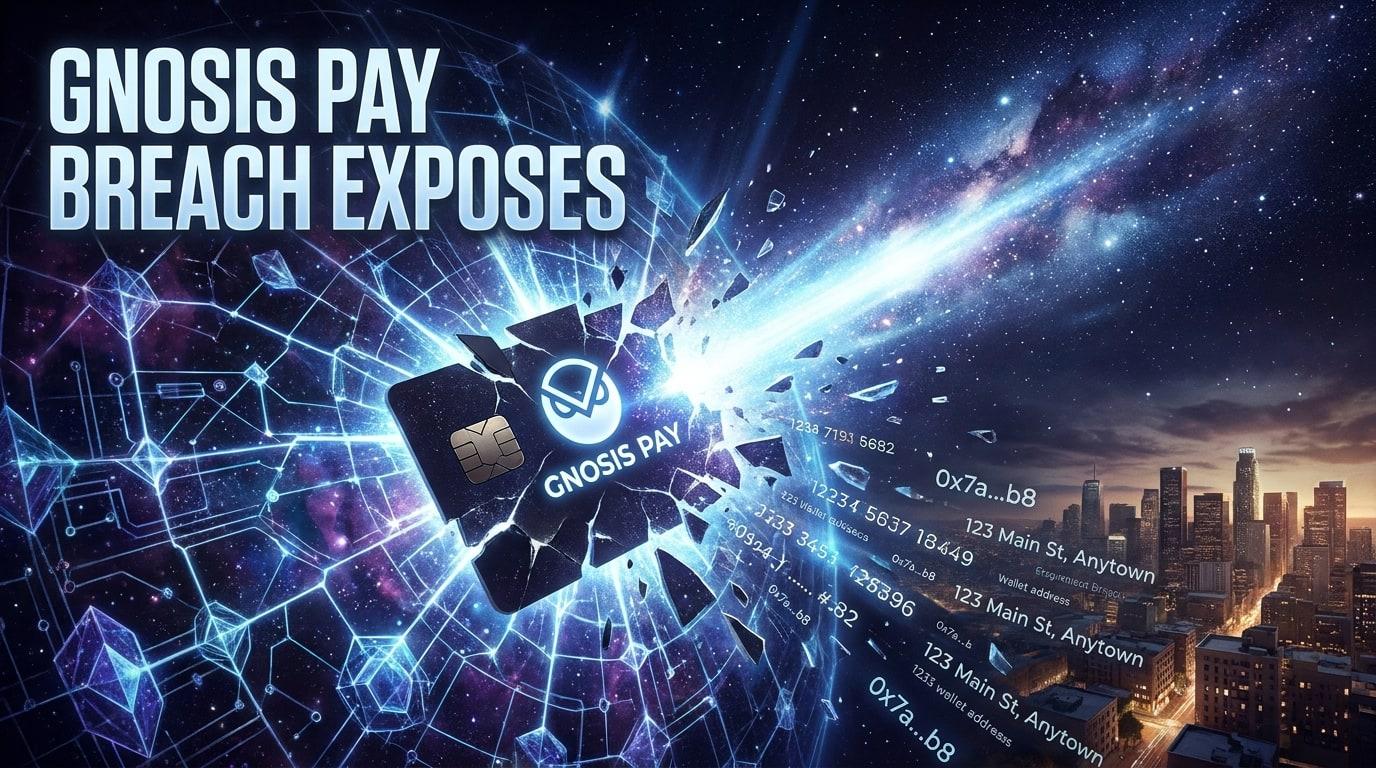
Gnosis Pay, a crypto debit card provider, suffered a data breach that exposed card numbers, home addresses and linked wallet addresses, according to a report. This matters because it connects real-world identity to on-chain holdings, the exact link many crypto users try to avoid.
What actually happened
A Gnosis Pay user said the breach tied his home address and card number to every crypto wallet linked to his account, according to CoinDesk. The user warned this combination raises the risk of targeted scams. Attackers could match a verified name and address to visible on-chain wallet balances. CoinDesk published the report on 7 November 2026. Gnosis Pay issues debit cards that let holders spend crypto directly from linked wallets. The report reviewed here does not state how many accounts were affected, when the breach occurred, or how attackers accessed the data. No direct statement from Gnosis Pay appears in the source material.
How we got here
Crypto debit cards work by linking a verified identity to one or more wallet addresses, so the card can spend on-chain funds in everyday transactions. That link is useful for spending, but it also creates a single point of failure. If a provider's database is breached, attackers gain identity data and wallet addresses together, something separate crypto wallets and bank cards normally keep apart. Previous exchange and custodian breaches have exposed email addresses or trading data. This case is different because it reportedly combines home addresses, card numbers and wallet addresses in one exposure, according to the CoinDesk report.
Why this matters for you
For Gnosis Pay cardholders, the immediate risk is physical and digital targeting. A known home address paired with visible wallet balances can attract scams, phishing, or worse. Affected users should watch for unusual card activity and treat unsolicited contact with suspicion. For wallet holders generally, the case is a reminder that linking identity to on-chain addresses removes the pseudonymity many assume crypto provides. For builders of card and payment products, it raises pressure to store less data, encrypt address and wallet records separately, or avoid keeping card numbers and wallet links in the same system at all.
The bigger question
Should crypto card issuers store a direct link between verified identity and wallet addresses at all, or should that link be proven only at the moment of payment, without being stored? The answer affects every product that tries to make crypto spendable like a bank card, and it will shape how much personal risk comes bundled with that convenience.
What to watch
No official response from Gnosis Pay appears in the source material reviewed. Watch for a company statement on the scope of the breach, the number of accounts affected, and any remediation steps such as card reissuance. Bonuz will track how card based crypto spending platforms respond, since the same identity-to-wallet link sits behind many smart glasses and wearable payment concepts the industry is building toward.