









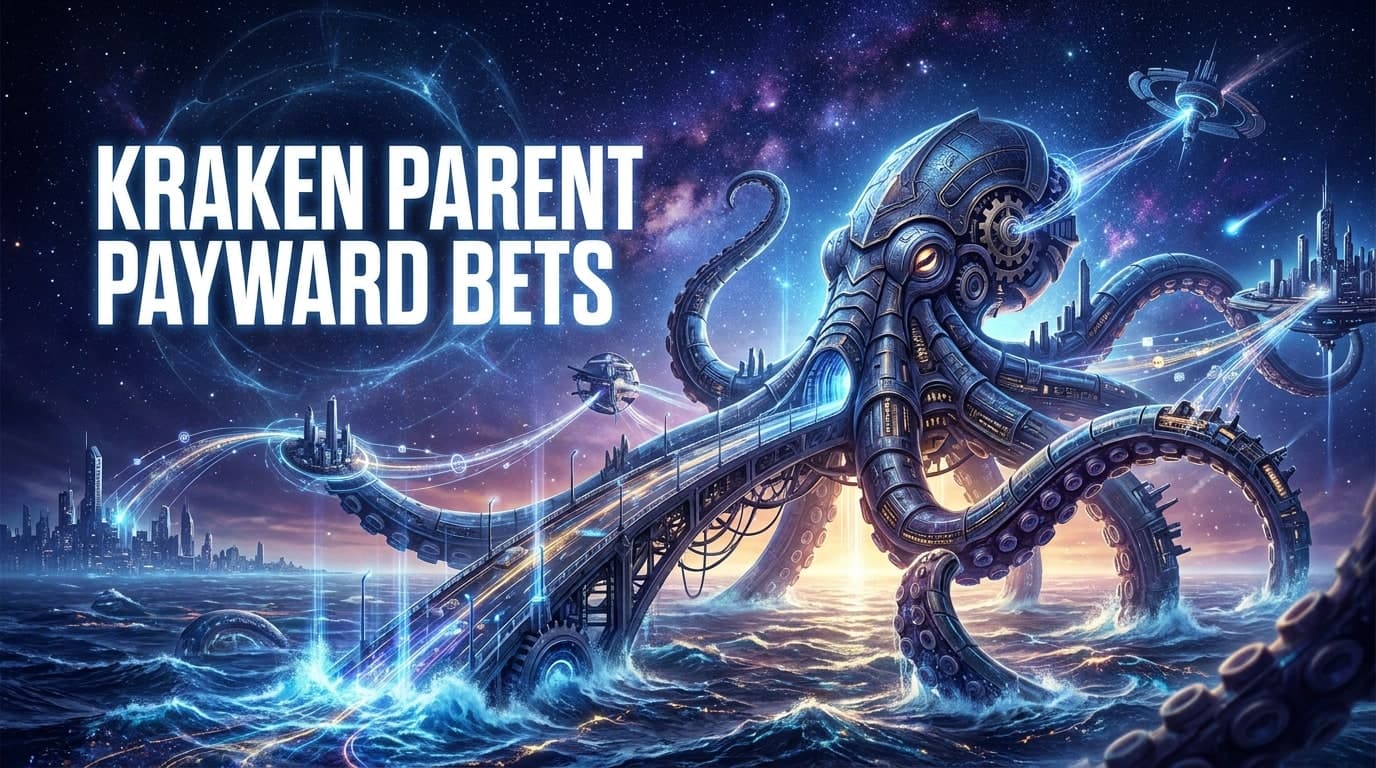
Kraken's parent company, Payward, is repositioning itself as financial infrastructure rather than a standalone crypto exchange. Payward is unifying trading, payments, asset management and institutional services onto shared technical rails, according to co-CEO Arjun Sethi. This matters because it signals how established crypto firms plan to compete beyond simple trading fees.
What actually happened
Payward, the parent company of Kraken, is combining trading, payments, asset management and institutional services onto a single set of technical rails, co-CEO Arjun Sethi said, according to CoinDesk. The report frames this move as a multi-billion dollar wager on becoming broad financial infrastructure, rather than remaining solely a cryptocurrency exchange. Sethi did not disclose exact spending figures, timelines or which products would launch first in the material available. No additional executives, dollar amounts or dates were included in the current reporting. The scope of billions mentioned in the report's framing was not itemized by source, business unit or currency in the material reviewed for this article.
How we got here
Kraken launched in 2011 as one of the earliest cryptocurrency exchanges, building its identity around spot and derivatives trading. Many crypto exchanges have since tried to expand beyond trading, adding custody, payments and institutional services as regulatory clarity has improved in some markets. Payward's move reflects a broader pattern among exchange operators seeking new revenue streams beyond transaction fees, which can be volatile during market downturns. The CoinDesk report does not detail Payward's prior infrastructure investments or specific milestones that led to this stated strategy, leaving the starting point and pace of this shift undefined.
Why this matters for you
For Kraken users, this could eventually mean more financial products living inside one account, from trading to payments to asset management. For builders, a unified rails strategy may open new integration points, though none were named in the report. For holders of any Kraken related tokens or equity, the framing suggests management sees infrastructure, not trading volume, as the long term value driver. None of these outcomes are guaranteed. The report is directional, describing an intended structure rather than confirmed timelines, but it points to how exchanges may position themselves next.
The bigger question
If large crypto exchanges become general financial infrastructure, what happens to their identity as exchanges? Users may gain convenience from combined services, but concentration of trading, payments and asset management inside one company raises questions about competition, oversight and risk management. Should infrastructure providers in crypto be regulated more like banks, or does the underlying technology justify a different framework?
What to watch
No specific dates, product launches or dollar figures were disclosed in the available reporting. Readers should watch for follow up disclosures from Payward or Kraken detailing budget allocations, new product rollouts or regulatory filings that would clarify the scale and timeline of this strategy. Bonuz will continue tracking how exchange operators expand into broader financial services as this intersects with the hardware and access layer, including wallets and devices, that users rely on.