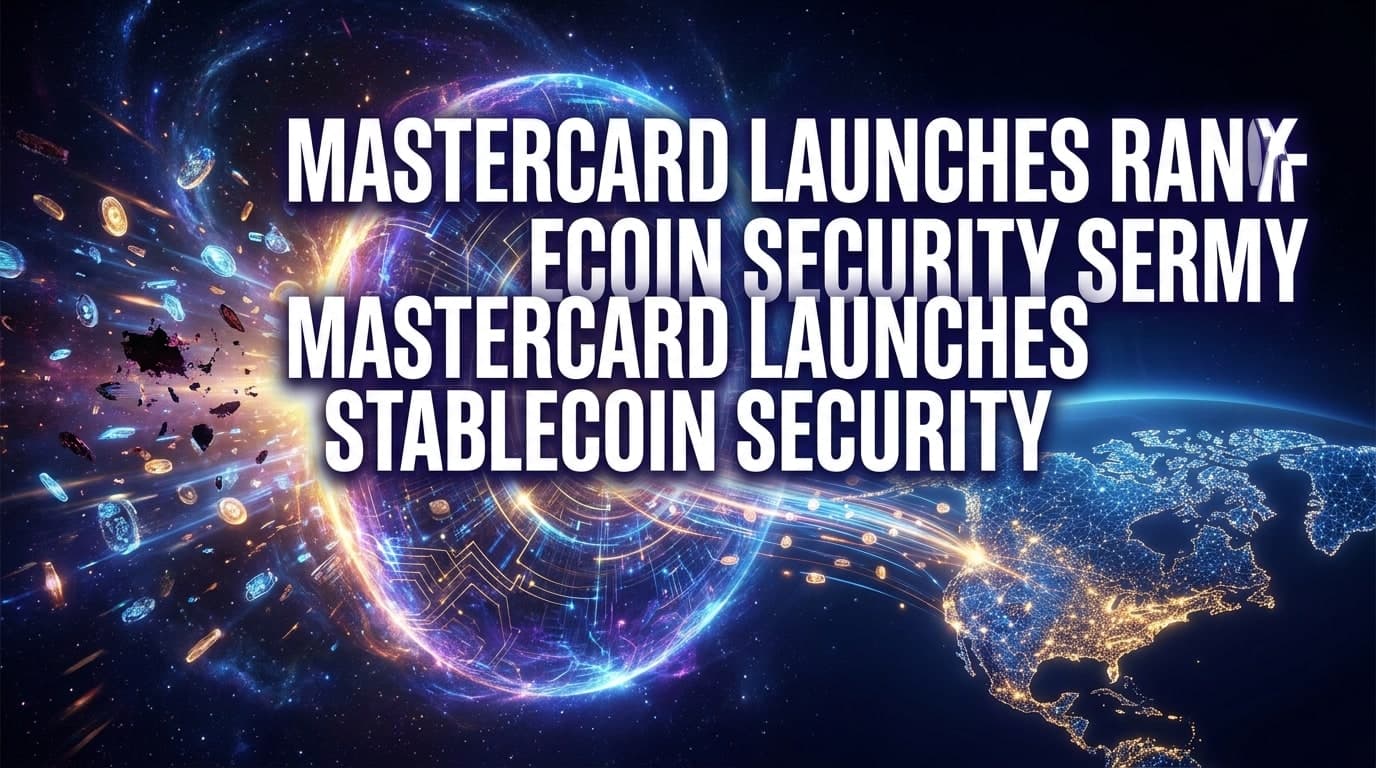
Mastercard unveiled Stablecoin Security, a new tool that screens stablecoin payments for fraud and sanctions risks. The service launches first in North America, with global availability planned for 2027. Anyone using or building on stablecoins should care, because compliance infrastructure like this shapes which stablecoin payments get approved.
What actually happened
Mastercard announced Stablecoin Security on 19 October 2026, according to The Block. The tool is a risk screening service built to flag fraud and sanctions risks in stablecoin transactions. Mastercard plans to launch the service first in North America. A global rollout is planned for 2027. The report does not specify pricing, named partners, or the technical method used to screen transactions. No exact North America launch date has been confirmed publicly.
How we got here
Stablecoins have grown into a major payment rail over the past several years, moving value across borders without traditional banking rails. That growth has drawn attention from regulators and compliance teams worried about fraud, money laundering, and sanctions evasion. Payment networks like Mastercard have increasingly built or acquired crypto infrastructure to stay relevant as digital assets move into mainstream payments. Stablecoin Security fits into that pattern, giving Mastercard a tool to screen transactions before stablecoins reach broader adoption in its network.
Why this matters for you
For stablecoin holders, this could mean smoother, faster transactions once merchants and banks trust the screening layer behind them. For builders, Mastercard's entry signals that compliance tooling is becoming a required layer in stablecoin infrastructure, not an optional add on. Wallet providers and payment apps may need to integrate with screening services like this to access Mastercard's network. For everyday users, the practical effect may be invisible, happening behind the scenes at the payment processing level. The bigger shift is structural: a major card network treating stablecoins as payments worth building dedicated security infrastructure for, rather than a niche asset class.
The bigger question
If major payment networks build their own risk screening for stablecoins, who decides which transactions count as suspicious? Mastercard controls access to its network, but sanctions and fraud definitions vary by country and regulator. As this tool expands globally by 2027, it raises a question beyond stablecoins: should private payment companies hold this much power over which digital transactions are allowed to proceed, or should that judgment sit with public regulators instead?
What to watch
Watch for Mastercard's North America rollout details, not yet confirmed publicly. The bigger milestone is 2027, when Mastercard plans global availability for Stablecoin Security. Expect regulators and competing payment networks to respond as stablecoin compliance tools become standard. Bonuz will track how this screening layer affects wallet integrations as stablecoin payments move toward mainstream apps and, eventually, wearable and AR payment interfaces.