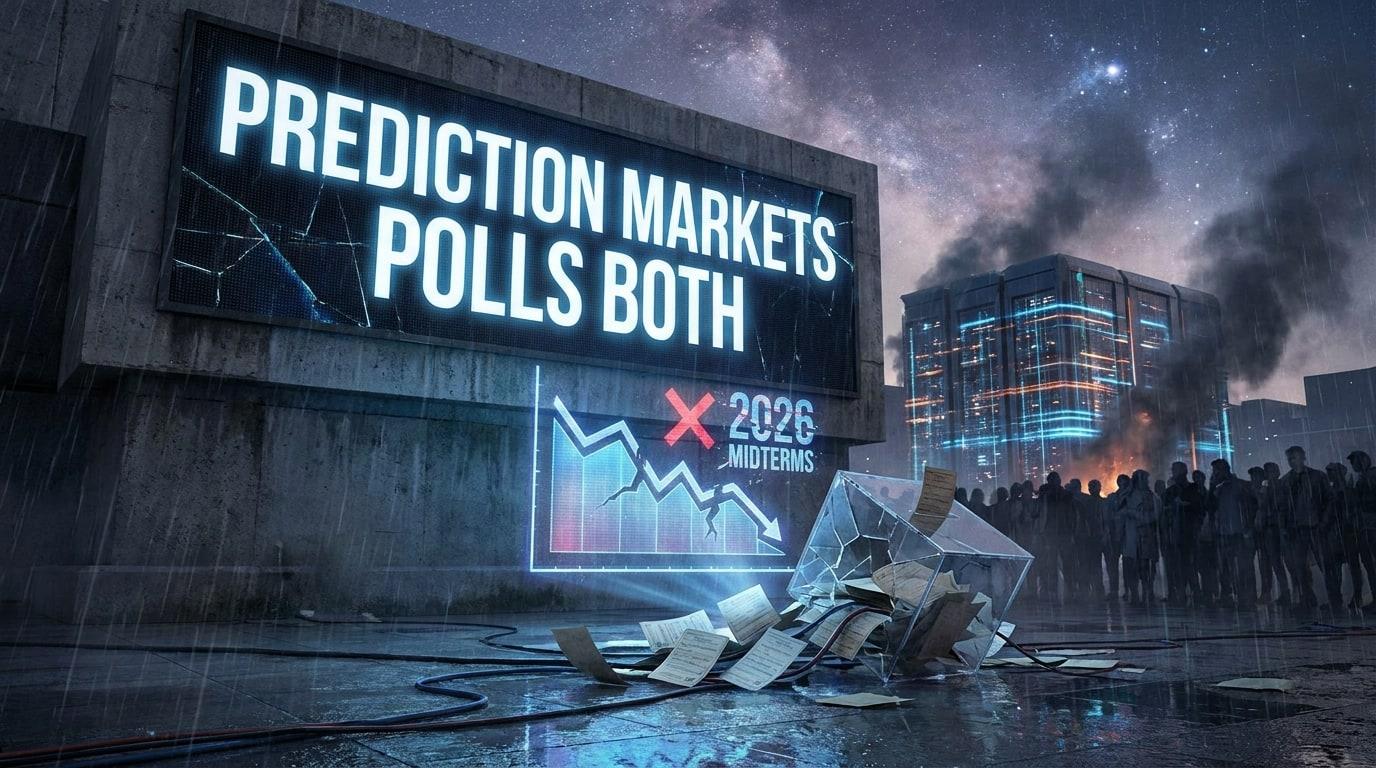
Prediction markets and public opinion polls reached similar conclusions by the end of the 2026 US midterm election cycle, according to CoinDesk's State of Crypto report. Both tools still missed some results. The outcome matters because it tests whether prediction markets, a key crypto use case, truly beat traditional polling.
What actually happened
According to CoinDesk, prediction markets and polls 'largely aligned' by the close of the 2026 US midterm cycle. The report also said both forecasting methods produced 'notable misses' in some races. CoinDesk did not list which specific contests were mispredicted, nor the margin of error, in the material reviewed for this article. The piece appears as part of CoinDesk's ongoing State of Crypto series, which tracks how blockchain based forecasting tools, including prediction markets, compare against traditional polling during major US elections. No additional attributed quotes, state level breakdowns, or named platforms were included in the source text available at the time of writing.
How we got here
Prediction markets have featured in recent US election cycles as alternative forecasting tools, often placed alongside traditional polling averages. Supporters argue that market odds reflect real financial stakes, since traders risk money on outcomes. Critics have questioned liquidity, potential manipulation, and overall accuracy of these markets. The 2026 midterm result, where markets and polls converged yet both still missed some races, adds a new data point to that debate. The reviewed source material does not name the specific platforms, races, or analysts involved, so the scope of this comparison remains limited to the general finding reported by CoinDesk.
Why this matters for you
For crypto users trading on prediction market platforms, this result is mixed. Alignment with polls suggests these markets are not wildly out of step with mainstream forecasting. Yet shared misses show neither method is fully reliable. Builders working on forecasting products should treat this as evidence that market based odds need continued refinement, not blind trust. Holders of tokens tied to prediction market platforms may see this as a credibility test. Investors weighing new forecasting tools should wait for detailed breakdowns of which races were missed before drawing firm conclusions about market accuracy versus polling accuracy.
The bigger question
Can prediction markets, built on real financial stakes, genuinely outperform traditional polling, or do both methods share the same blind spots that come from incomplete information before votes are counted? The 2026 midterm cycle offers one data point, not a final answer, and future elections will keep testing it. Regulators, platform builders, and everyday bettors all have a stake in the answer, since it shapes how much trust these tools deserve going forward.
What to watch
No further dates or follow-up reports were specified in the reviewed source material. Readers should watch for additional entries in CoinDesk's State of Crypto series, which may break down specific races, margins, and named platforms in more detail. Future US election cycles will offer the next real test of whether prediction markets and polls continue to align, or diverge, on outcomes.