













A new magnetic phone wallet swaps its card holder without a single tool, using a spring-loaded lever reviewed on 4 October 2026. The mechanism behind it, a toolless, modular, magnetic clip, is the same kind of physical engineering that will decide whether smart glasses ever feel this easy to live with.
What actually happened
OhSnap's Wallet 2, reviewed by The Verge on 4 October 2026, is a magnetic card wallet that sticks to a phone. Pull its built-in lever and the cards fan out. Press a hidden release and the whole thing comes apart without tools, letting a user swap in a 3, 5, or 7-card core. Front and back magnetic plates swap too, for an ID holder, a work badge, an elastic band, or a money clip, or thin aluminum covers for a non-magnetic version. Reviewer Sean Hollister called the locking system, plastic arms acting as springs, 'very clever.' The 7-card version adds 127 grams to a phone. A 3-card kit costs $61 on Kickstarter, $76 at retail. Extras like the ID cover or money clip cost $35 each.
How we got here
Magnetic phone accessories became common once Apple's MagSafe standard spread beyond chargers into wallets, stands, and mounts. OhSnap built on that by making the attachment itself modular, swapping card capacity and covers without screws or glue. Smart glasses makers face a harder version of the same problem. A frame has to hold a battery, a lens, a camera, and sometimes a speaker, all in a shape small enough to wear on a face all day. Nobody has shown a toolless way to swap those parts yet. A compliant mechanism, like the one in this wallet, where plastic itself acts as the spring, is one quiet answer to that problem.
Why this matters for you
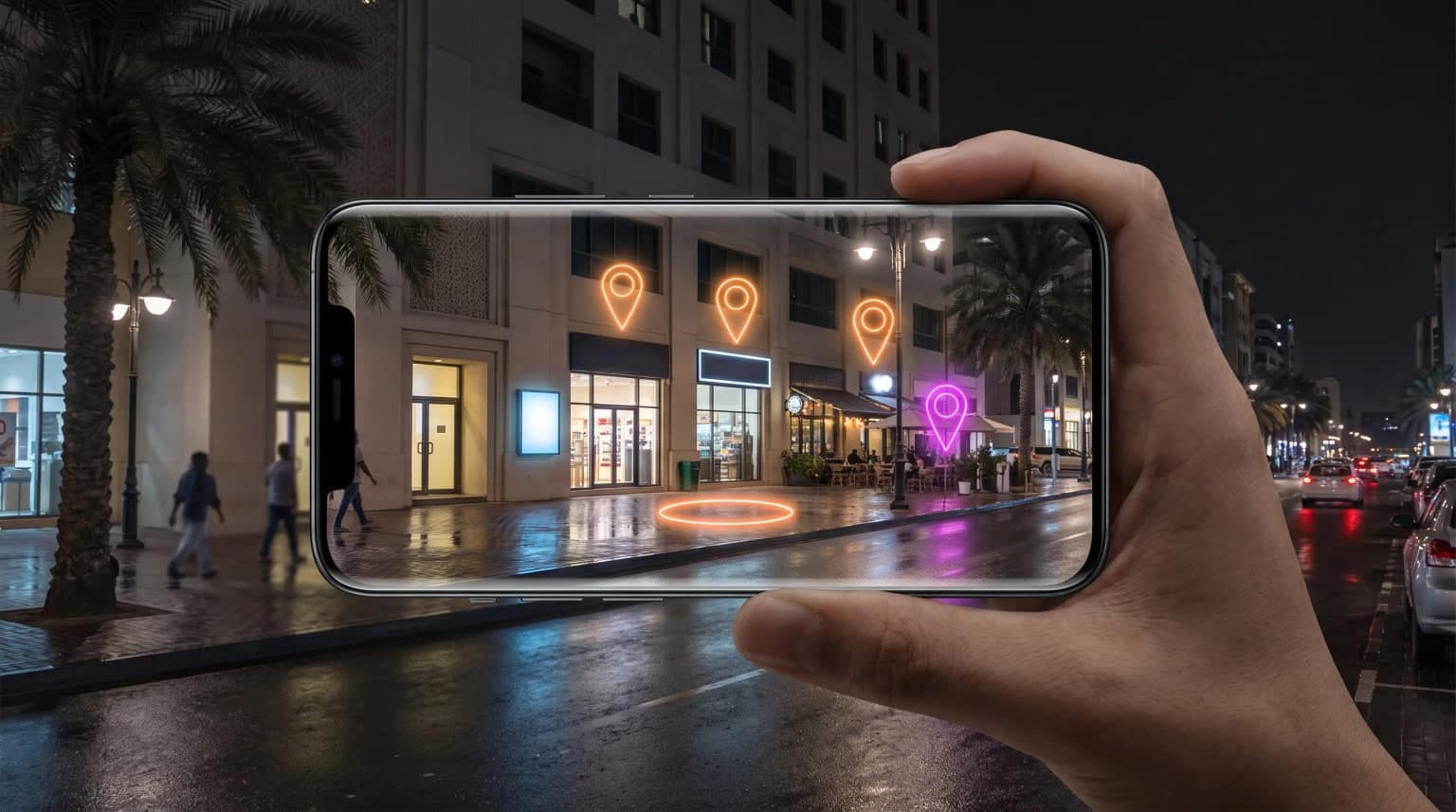
If that kind of swappable hardware reaches eyewear, a user could change a lens for bright sun or a dim bar without buying new glasses, or add a battery pack for a long day without carrying a case. The bigger shift is what a visible layer over daily life could feel like: walking past three cafés and one quietly standing out as the one worth entering, or a bar recognising a regular the moment they sit down. bonuz, the Human Layer, is building toward exactly that, turning up somewhere real becoming something the place itself can recognise. None of that needs a card wallet or a screen to explain.
The bigger question
Modular, repairable hardware is spreading from phone cases into wallets and card holders. Will that same thinking reach the glasses people wear every day, letting a lens or battery be swapped like a watch strap? Or will the push toward thinner, smaller frames make glasses the one gadget that stays sealed shut, trading flexibility for a slimmer look? The answer will shape how long any pair of smart glasses stays useful before it ends up in a drawer.
What to watch
OhSnap's Wallet 2 is live on Kickstarter now, priced from $61, with a $76 retail version once it ships. No glasses maker has announced a toolless, swappable frame on this scale yet. Whether that arrives, and from whom, is worth watching as modular, magnetic hardware keeps moving from phone accessories toward anything worn on the body, glasses included.