Supermarkets in Belgium, Sweden, Luxembourg, and Estonia had their fridges and freezers hacked this week, with one Swedish store's units pushed to 50 degrees Celsius overnight. It matters because the same quiet, connected systems that run a shop's cooling also sit behind any future layer built to recognise you when you walk in.
What actually happened
ICA Kvantum in Sjoebo, Sweden, said on Facebook its fridges and freezers were hacked overnight and pushed to 50 degrees Celsius, 122 Fahrenheit, ruining stock. Coop, another Swedish chain, told Business Insider that "unauthorized actors were able to access and tamper with the cooling systems at a small fraction of our stores," according to The Verge. Dutch retailer Ahold Delhaize blamed an "IT incident" for temperature changes in dozens of stores across Belgium and Luxembourg. The full scale has not been confirmed. Separately, the FBI said North Korea was behind a 29 October 2026 theft of more than $6.3 billion (USD) in crypto from Binance, naming the activity TraderTraitor, according to The Verge. Binance reopened withdrawals the same day.
How we got here
Modern supermarket fridges connect to the internet so staff get remote alerts when something fails. That same connection is now the opening attackers use. Last month, hundreds of French supermarket freezers were hit, spoiling food worth millions of euros. US military bases reported freezer malfunctions suspected to be linked to cyberattacks too. The Binance theft shows the same pattern at a different scale: a system built for convenience becomes the thing an outsider can quietly turn against you, whether it is holding your crypto or holding your milk at a safe temperature.
Why this matters for you
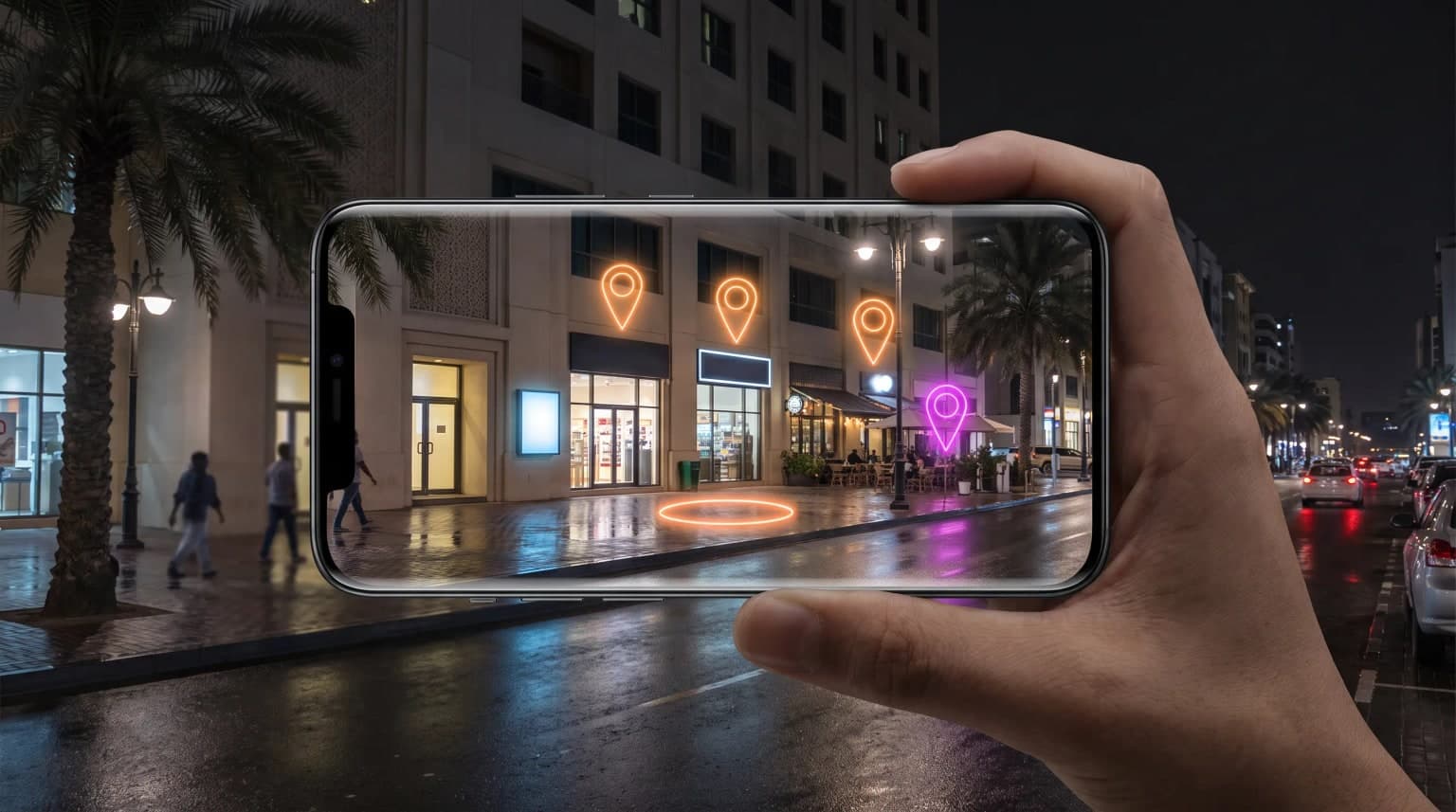
For now, a hacked freezer means spoiled stock and an insurance claim. The bigger lesson sits underneath that: anything built to recognise a place, a customer, or a regular face runs on the same kind of remote wiring as a supermarket's cooling unit. bonuz is building the Human Layer, where turning up somewhere real is something the place can recognise, and this week is a reminder that recognition only works if the systems behind it are hard to touch from outside. Builders adding any layer over daily life now have a concrete, recent example of what happens when nobody can see who holds the remote control.
The bigger question
If a freezer in Sweden can be turned up by someone thousands of kilometres away, what happens when the thing being tampered with is not temperature, but recognition itself, the system that tells a shop you are a regular? Who should be allowed to hold that kind of remote access, and how would an ordinary person ever know it had been copied?
What to watch
The full scope of the European freezer incidents is still unconfirmed, with more retailers expected to disclose details in coming weeks. Binance withdrawals reopened on 1 November 2026, but investigators have not said when, or whether, the stolen funds will be recovered.