













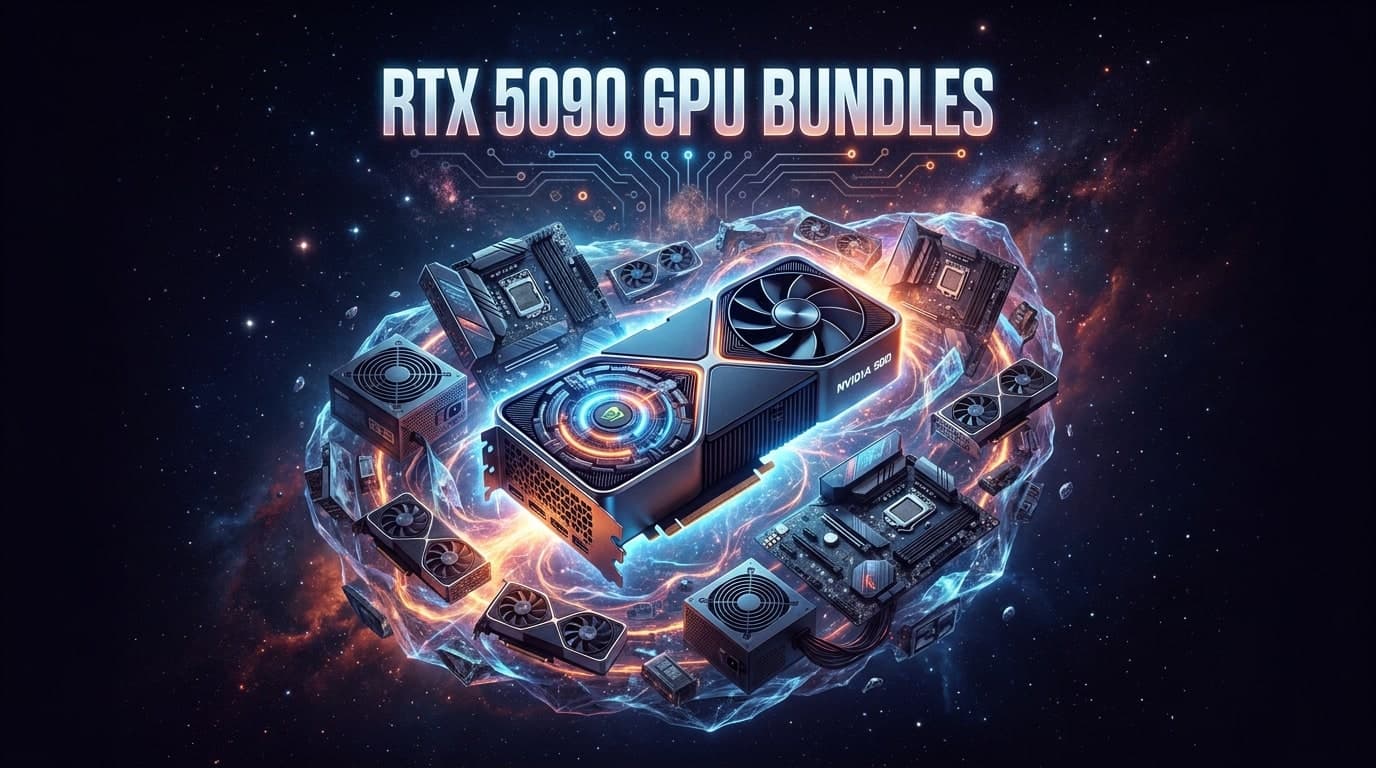
Taiwanese retailer PChome24h is selling Nvidia RTX 5090 graphics cards only inside bundles that include up to eight motherboards, extra GPUs, and other components, according to Tom's Hardware. The move echoes GPU scalping tactics seen during the crypto mining boom, and it matters because it hints at how supply squeezes could shape hardware prices again.
What actually happened
PChome24h, a major ecommerce platform in Taiwan, is packaging Nvidia's flagship RTX 5090 GPU with a large number of motherboards, along with entry-to-mid-range graphics cards and other components, Tom's Hardware reports. The outlet describes some bundles as including eight motherboards attached to a single RTX 5090. Tom's Hardware calls the practice a sign of where the PC building industry is headed, and directly compares it to tactics retailers used during the cryptocurrency mining boom, when GPUs were scarce and often sold only as part of forced multi-item packages. No pricing details, dates, or specific bundle contents beyond motherboards and GPUs were disclosed in the source material.
How we got here
During the crypto mining booms between 2017 and 2021, demand for GPUs used in mining outstripped supply, and some retailers exploited the shortage by forcing buyers to purchase unwanted components alongside sought-after cards. That practice became a symbol of dysfunctional PC hardware markets. The RTX 5090 is Nvidia's current flagship consumer GPU, positioned at the high end of gaming and AI workloads. Tom's Hardware's report suggests similar forced-bundling tactics are reappearing in Taiwan, even without a mining boom driving demand this time. The comparison signals that scarcity tactics can return whenever a GPU generation launches with high demand relative to supply.
Why this matters for you
For everyday buyers, forced bundles mean paying more to get a component they actually want, since motherboards and lesser GPUs add cost even if unused. For builders and system integrators, tighter allocation could slow production timelines for anything relying on high-end GPUs, including AI training rigs and rendering setups. For companies developing AR and smart glasses hardware, GPU supply dynamics matter indirectly, since many prototyping and simulation pipelines still lean on desktop GPUs like the RTX 5090. If scalping-style bundling spreads beyond Taiwan, component costs across the wider hardware ecosystem could rise before any AR-specific chip shortage even begins.
The bigger question
Will bundling tactics like PChome24h's spread to other markets as RTX 5090 demand grows, or will Nvidia and retailers find ways to prevent forced-purchase schemes? The bigger question is whether GPU scarcity, once tied mainly to crypto mining, will keep resurfacing with each new hardware generation regardless of the underlying demand driver, including AI and emerging AR devices.
What to watch
No specific dates or Nvidia statements were included in the original report. Watch for confirmation or denial from Nvidia, responses from other Taiwanese or regional retailers, and whether similar bundling appears in other markets as RTX 5090 supply is tested. Bonuz will track how GPU allocation trends affect hardware costs relevant to AR and wearable device prototyping.